
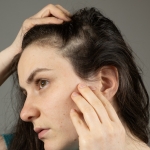




Seeing more hair in your brush or noticing a wider part can leave you wondering whether it's something you inherited. Many women ask this question, especially if their mother, grandmother, or other relatives also experienced thinning hair.
While family history can play an important role, it isn't the only piece of the puzzle. Learning about the possible causes, along with available treatment for female pattern baldness, can help you understand what may be happening and what steps you can take next.
Does Hair Loss Really Run in Families?
The short answer is yes, but the story is a little more complicated than many people think. Female pattern hair loss often has a genetic component, meaning it can run in families. If close relatives have experienced gradual hair thinning, your own chances may be higher. Even so, inheriting certain genes doesn't guarantee that you'll develop noticeable hair loss.
Unlike some inherited conditions, female pattern hair loss isn't linked to a single gene. Instead, researchers believe several genes work together with age, hormones, and other factors to influence how hair changes over time. That's one reason two sisters with the same parents may have very different experiences.
Hair thinning related to genetics usually develops gradually. You may first notice a wider center part, reduced hair volume, or increased visibility of the scalp under bright light. Because these changes happen slowly, they're easy to overlook during the early stages.
How Much Do Genes Matter?
Genes influence how sensitive your hair follicles are to hormonal changes throughout life. In some women, that sensitivity causes follicles to shrink over time, leading to finer, shorter strands of hair. As the growth cycle changes, hair becomes less dense even though complete baldness is uncommon.
Family history provides useful information, but it doesn't tell the whole story. Lifestyle, overall health, and hormonal changes also influence when hair thinning begins and how quickly it progresses.
Even if genetics play a role, you might still wonder whether anything can be done to reduce their effect.
Can You Prevent Hair Loss If It Runs in Your Family?
Genetics can't be changed, but they don't always determine the outcome. Many women with a family history of hair thinning never experience severe hair loss, while others notice only mild changes over time. That's because genetics interact with several other factors that influence the health of your hair and scalp.
Early attention can make a difference. If you notice gradual thinning, speaking with a healthcare provider sooner rather than later may help identify treatment options before hair loss becomes more noticeable. Although no routine can guarantee prevention, healthy habits support the hair you already have and may reduce unnecessary damage.
Keeping your scalp healthy also matters. Gentle hair care, a balanced diet, and avoiding excessive heat or tight hairstyles can help protect fragile strands. These habits won't change your genes, but they can reduce stress on the hair and support normal growth.
Well, here's the thing. Many products promise dramatic results, but not every treatment works the same way for every person. That's why professional guidance is often more helpful than relying on advertisements or social media advice.
Even with good habits, hair thinning can still happen. That's because genetics are only one part of a much larger picture.
What Other Factors Can Contribute to Hair Thinning?
Family history often receives the most attention, but several other factors may also affect hair growth. Sometimes these influences work alongside genetics, while in other cases they become the main reason hair begins to thin. Understanding them helps explain why hair loss differs from one woman to another.
It's Not Always About Genetics
Hair thinning may also be linked to:
- Hormonal changes during menopause.
- Thyroid disorders that affect the body's normal functions.
- Low iron levels or poor nutrition.
- Certain medications.
- Significant physical illness or emotional stress.
- Hairstyles that place repeated tension on the hair.
Some of these causes lead to temporary hair shedding, while others contribute to gradual thinning over many years. Because several conditions can produce similar symptoms, it's important not to assume genetics are always responsible.
For example, someone with a strong family history may also have an iron deficiency that makes the thinning appear worse. Treating the nutritional issue won't change inherited risk, but it may improve overall hair growth.
Once different causes have been considered, the next step is determining whether female pattern hair loss is actually present.
How Do Healthcare Providers Diagnose Female Pattern Hair Loss?
Diagnosis usually begins with a detailed conversation about your symptoms, medical history, and family history. A healthcare provider may ask when the thinning first started, whether shedding increased suddenly, and if you've experienced recent illnesses, hormonal changes, or significant stress. Those answers help narrow down the possible causes.
A physical examination of the scalp often provides additional clues. The pattern of hair thinning, the condition of the scalp, and the appearance of individual hairs can all help distinguish female pattern hair loss from other conditions. In some situations, blood tests may be recommended to check for thyroid disease, iron deficiency, or other medical concerns that affect hair growth.
Receiving an accurate diagnosis is important because different causes require different approaches. Treating the wrong condition may delay improvement and allow thinning to continue.
Once the cause is understood, you and your healthcare provider can discuss the treatment options that best fit your situation.
What Are the Available Treatment Approaches?
Treatment depends on the underlying cause as well as how advanced the hair thinning has become. For women with female pattern hair loss, healthcare providers may recommend medications that help support hair growth or slow additional thinning. Results usually develop gradually, so patience is an important part of the process.
Healthy daily habits continue to play an important role alongside medical treatment. Eating a balanced diet, managing long-term health conditions, and using gentle hair care practices all help create an environment that supports healthy hair. While these steps may not reverse inherited hair loss, they can reduce additional stress on the hair.
It's also important to have realistic expectations. Hair typically grows slowly, and noticeable improvement often takes several months. Consistency with treatment and follow-up appointments gives you the best opportunity to evaluate whether your plan is working.
The most effective approach is one that's based on your specific diagnosis rather than assumptions about family history alone.
Conclusion
Genetics play an important role in female pattern hair loss, but they don't tell the whole story. Hormonal changes, nutrition, medical conditions, and everyday hair care habits also influence how your hair changes over time. Recognizing early signs and seeking medical advice can help you understand what's causing the thinning and discuss treatment options that fit your needs. While family history can't be changed, taking action early may help you manage hair loss more effectively.
If you're interested in supporting future advances in hair loss research, you can also learn how to apply for an alopecia areata clinical trial and contribute to studies that continue to improve care for people with hair disorders.