




Cholinergic urticaria is a type of hives that appears when your body temperature rises. It can happen after exercise, emotional stress, hot showers, spicy foods, or exposure to warm environments.
The condition often causes small, itchy bumps that may feel uncomfortable and frustrating, especially when flare-ups happen frequently.
Many people wonder if cholinergic urticaria is dangerous or if it signals a more serious health problem. In most cases, this condition is not life-threatening.
However, understanding the symptoms, possible complications, and available cholinergic urticaria treatment options can help you manage flare-ups and know when to seek medical care.
This blog explains whether cholinergic urticaria is dangerous, why it happens, how symptoms develop, and what steps you can take to reduce discomfort.
What Is Cholinergic Urticaria?
Cholinergic urticaria is a form of physical hives triggered by an increase in body temperature. Unlike allergic reactions caused by foods, medications, or environmental substances, this condition occurs because of a physical trigger.
When your body heats up, your nervous system activates sweat glands. In people with cholinergic urticaria, this process may cause immune cells called mast cells to release histamine.
Histamine can lead to:
- Redness
- Itching
- Swelling
- Small raised bumps on the skin
These symptoms usually appear within minutes after a trigger and often improve once the body cools down.
Is Cholinergic Urticaria Dangerous?
For most people, cholinergic urticaria is not considered dangerous. The symptoms are usually limited to the skin and disappear after the body temperature returns to normal.
Common symptoms include:
- Tiny itchy hives
- Burning or tingling sensations
- Skin redness
- Mild swelling
Although the condition can be uncomfortable, it typically does not cause permanent skin damage or long-term health problems.
However, in rare cases, symptoms may become more severe and require medical attention.
When Can Cholinergic Urticaria Become Serious?
While most cases are mild, some individuals may experience more intense reactions.
Rare but serious symptoms can include:
- Trouble breathing
- Chest tightness
- Dizziness
- Fainting
- Swelling of the lips or throat
- Rapid heartbeat
These symptoms may suggest a more severe allergic-type reaction and should be treated as a medical emergency.
If you experience difficulty breathing or swelling in your throat, seek immediate medical care.
Why Does Cholinergic Urticaria Happen?
The exact cause of cholinergic urticaria is not fully understood. Researchers believe it involves an overactive immune response related to body temperature changes and sweating.
Several factors may contribute to the condition.
Increased Body Temperature
The most common trigger is anything that raises your core temperature.
Examples include:
- Exercise
- Running
- Intense workouts
- Hot weather
- Hot baths
- Saunas
When your temperature rises, your body releases chemical signals that may trigger hives.
Sweating
Sweating plays an important role in regulating body temperature.
Some researchers believe that people with cholinergic urticaria may have an abnormal response to sweat or sweat-related processes.
This may cause the immune system to release histamine, leading to itching and hives.
Emotional Stress
Strong emotions can also increase body temperature and trigger symptoms.
Common emotional triggers include:
- Anxiety
- Nervousness
- Anger
- Excitement
- Embarrassment
Stress can also affect immune system activity, which may contribute to more frequent flare-ups.
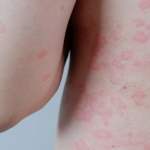
What Do Cholinergic Urticaria Symptoms Look Like?
The symptoms of cholinergic urticaria are usually easy to recognize because they appear after specific triggers.
Typical signs include:
- Small red or skin-colored bumps
- Intense itching
- Stinging sensations
- Burning skin
- Mild swelling
The bumps are often smaller than typical allergy-related hives.
They commonly appear on:
- Chest
- Neck
- Upper arms
- Face
- Upper back
Symptoms usually begin within a few minutes after body temperature rises and improve after cooling down.
Can Cholinergic Urticaria Affect Daily Life?
Although cholinergic urticaria is usually not dangerous, it can affect quality of life.
Some people avoid activities that may trigger symptoms, such as:
- Exercise
- Outdoor activities
- Social events in warm environments
- Hot showers
Fear of flare-ups may lead some individuals to limit activities they enjoy.
With proper diagnosis and management, many people learn how to control symptoms while continuing their normal routines.
Who Is More Likely to Develop Cholinergic Urticaria?
Cholinergic urticaria often develops in teenagers and young adults, but it can affect people of all ages.
It may be more common among individuals who have:
- A history of allergies
- Asthma
- Eczema
- Sensitive skin
- Other forms of urticaria
Researchers are still studying why some people develop this condition while others do not.
How Is Cholinergic Urticaria Diagnosed?
A healthcare provider usually diagnoses cholinergic urticaria by reviewing your symptoms and identifying possible triggers.
During an evaluation, your provider may ask:
- When do symptoms appear?
- What activities trigger flare-ups?
- How long do symptoms last?
- Do symptoms improve after cooling down?
In some cases, controlled exercise or heat testing may help confirm the diagnosis.
Additional tests may be recommended to rule out other conditions with similar symptoms.
Treatment Options for Cholinergic Urticaria
There is currently no permanent cure for cholinergic urticaria, but several approaches can help reduce symptoms.
Antihistamines
Antihistamines are commonly used to manage hives.
They work by blocking histamine, the chemical responsible for itching and swelling.
Your healthcare provider may recommend:
- Non-sedating antihistamines
- Regular use during frequent flare-ups
- Adjusted doses depending on symptom severity
Always follow medical guidance when using medications.
Avoiding Known Triggers
Identifying and avoiding triggers is an important part of management.
Helpful strategies include:
- Exercising in cooler environments
- Taking warm instead of hot showers
- Wearing breathable clothing
- Cooling your body after activity
- Staying hydrated
Understanding your personal triggers can help prevent unnecessary flare-ups.
Gradual Exercise Training
Some individuals benefit from slowly building exercise tolerance.
Starting with lower-intensity activities and gradually increasing intensity may help the body adapt.
However, exercise plans should be personalized based on symptom severity.
Lifestyle Tips for Managing Cholinergic Urticaria
Small daily changes can make symptoms easier to control.
Consider these tips:
- Keep a record of your triggers.
- Carry medications recommended by your healthcare provider.
- Avoid overheating when possible.
- Use cooling methods during flare-ups.
- Choose lightweight clothing.
- Manage stress through relaxation techniques.
These steps may reduce how often symptoms appear.
How Long Does Cholinergic Urticaria Last?
The duration of cholinergic urticaria varies from person to person.
Some individuals experience symptoms for only a few months, while others may have flare-ups for years.
Many people notice improvement over time, especially with proper management.
Regular follow-up with a healthcare provider can help track symptoms and adjust treatment when needed.
When Should You See a Doctor?
You should consult a healthcare provider if:
- Hives occur frequently.
- Symptoms interfere with daily activities.
- Over the counter treatments do not help.
- You are unsure about your diagnosis.
- Symptoms become more severe.
Seek urgent medical care if you experience breathing problems, throat swelling, or fainting.
These symptoms may require immediate evaluation.
The Role of Dermatology Research
Researchers continue studying cholinergic urticaria to better understand its causes and develop improved treatments.
Clinical research helps investigate:
- New medications
- Immune system responses
- Long-term treatment strategies
- Better ways to manage chronic skin conditions
Research studies allow scientists to explore therapies that may improve the lives of people affected by conditions like urticaria.
Conclusion
So, is cholinergic urticaria dangerous? For most people, the answer is no. The condition usually causes temporary skin symptoms that improve once the body cools down. However, rare cases may involve more serious symptoms, such as breathing difficulties or swelling, which require immediate medical attention.
Learning your triggers, following a suitable treatment plan, and working with a healthcare provider can help you manage cholinergic urticaria effectively. While the condition can be frustrating, many people successfully control symptoms and maintain an active lifestyle.
As researchers continue exploring new approaches for skin conditions, individuals interested in contributing to medical progress may consider opportunities to enroll in dermatology clinical trials. These studies help advance scientific understanding and support the development of future treatments for people living with dermatological conditions.