



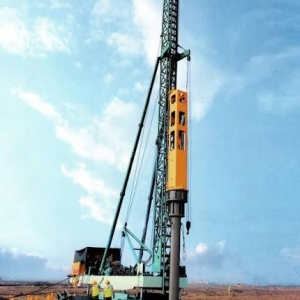

Every city and town depends on reliable systems that deliver electricity, water, natural gas, and communication services. These essential networks make daily life possible and support businesses, schools, hospitals, and transportation. Utility infrastructure forms the backbone of modern communities by ensuring people have access to critical services. As populations grow and technology advances, investing in strong infrastructure has become more important than ever.
What Is Utility Infrastructure?
Utility infrastructure refers to the physical systems and facilities that provide essential public services. These include power lines, water pipelines, sewer systems, natural gas networks, telecommunications cables, and related equipment. Together, these systems keep homes, businesses, and industries operating efficiently.
Well-maintained infrastructure supports economic development while improving public health and safety.
Main Components of Utility Infrastructure
Electrical Systems
Electrical infrastructure includes power plants, substations, transmission lines, and distribution networks that deliver electricity to homes and businesses.
Water Supply Networks
Water systems transport clean drinking water through pipelines, pumping stations, and storage facilities. Reliable water infrastructure is essential for public health and everyday living.
Wastewater and Sewer Systems
Sewer networks collect and transport wastewater for treatment before it is safely returned to the environment. Proper wastewater management protects communities from pollution and disease.
Telecommunications
Modern utility infrastructure also includes internet, telephone, and fiber-optic networks that support communication, remote work, education, and business operations.
Why Utility Infrastructure Matters
Supports Economic Growth
Reliable utility systems allow businesses to operate efficiently, attract investment, and create employment opportunities. Strong infrastructure is often a key factor in regional economic development.
Improves Public Safety
Well-designed utility systems reduce the risk of service interruptions, flooding, electrical failures, and environmental hazards. This helps protect both people and property.
Enhances Quality of Life
Access to clean water, electricity, reliable internet, and sanitation improves living standards and supports healthy communities.
Encourages Sustainable Development
Modern infrastructure often incorporates energy-efficient technologies, renewable energy integration, and environmentally responsible designs that reduce long-term environmental impacts.
Challenges Facing Utility Infrastructure
Many utility systems face increasing pressure due to aging equipment, population growth, and changing climate conditions.
Common challenges include:
- Aging pipelines and power lines
- Rising maintenance costs
- Growing demand for electricity and water
- Extreme weather events
- Cybersecurity risks for digital systems
Addressing these issues requires ongoing investment and careful long-term planning.
Best Practices for Infrastructure Development
To build reliable utility infrastructure, communities should focus on several important strategies.
Regular Maintenance
Routine inspections and preventive maintenance help identify small problems before they become major failures.
Smart Technology
Digital monitoring systems improve efficiency by detecting leaks, equipment failures, and power outages more quickly.
Sustainable Planning
Using durable materials and environmentally friendly construction methods helps create infrastructure that serves future generations.
Emergency Preparedness
Developing backup systems and disaster response plans helps maintain essential services during emergencies.
The Future of Utility Infrastructure
Advances in renewable energy, smart grids, automated monitoring, and energy storage are transforming how utilities operate. These innovations improve reliability while reducing environmental impact. As technology continues to evolve, communities will benefit from more efficient, resilient, and sustainable infrastructure systems.
Conclusion
Utility infrastructure is essential for supporting modern life, economic growth, and public safety. From electricity and clean water to telecommunications and wastewater management, these systems provide the services that communities rely on every day. By investing in maintenance, embracing new technologies, and planning for future needs, governments and businesses can ensure that utility infrastructure remains reliable, efficient, and capable of supporting growing populations for many years to come.