



A strong foundation is one of the most important parts of any construction project. Whether building a home, bridge, warehouse, or solar farm, the structure needs solid support beneath the ground. One of the most reliable tools used for this purpose is a hydraulic pile hammer. It helps drive piles deep into the soil to create stable foundations that can support heavy loads for many years.
Today, construction companies work on projects that require speed, accuracy, and safety. Traditional pile driving methods may not always meet these demands. That is why many professionals choose a hydraulic pile hammer for modern foundation work. This equipment delivers powerful performance while helping reduce project time and improve productivity.
But who actually needs a hydraulic pile hammer? The answer includes many different industries that rely on strong foundations every day. In this article, you will learn which industries benefit the most, why this equipment is important, and how Pile Driving USA supports modern construction needs.
What Is a Hydraulic Pile Hammer?
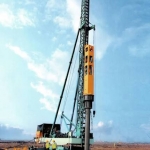
A hydraulic pile hammer is a machine used to drive piles into the ground using hydraulic power. It delivers controlled force that pushes piles deep into the soil, creating a stable foundation for buildings and other structures.
Unlike older pile driving systems, hydraulic equipment provides better control over the driving process. Operators can adjust the force according to the project requirements and soil conditions. This makes installation more efficient and helps reduce unnecessary damage to the piles.
Because of its reliability, a hydraulic pile hammer has become a preferred solution for many construction professionals.
Why Is a Hydraulic Pile Hammer Important?
Every construction project depends on a strong foundation. If the foundation is weak, the entire structure may become unsafe over time.
A hydraulic pile hammer helps ensure that piles are installed correctly and reach the required depth. It also offers several advantages that improve the overall construction process.
Some of the biggest benefits include faster installation, greater accuracy, reduced labor requirements, improved safety, and dependable performance in different soil conditions.
These advantages make it useful across many industries.
Building Construction Industry
The building construction industry is one of the largest users of a hydraulic pile hammer.
Residential homes, apartment buildings, office towers, shopping centers, schools, hospitals, and hotels all require strong foundations before construction begins.
Contractors use hydraulic pile driving equipment to install foundation piles quickly and accurately. This helps keep projects on schedule while ensuring the structure remains stable for many years.
As cities continue to grow, the demand for efficient pile driving equipment also increases.
Commercial Construction Projects
Commercial construction often involves larger and heavier buildings than residential projects.
Warehouses, manufacturing facilities, distribution centers, and business parks require foundations that can safely support heavy equipment and large structures.
A hydraulic pile hammer allows contractors to install deep foundations efficiently while maintaining high construction standards.
The equipment also helps reduce project delays, allowing businesses to complete construction faster.
Bridge Construction Industry
Bridges carry thousands of vehicles every day, making strong foundations extremely important.
Bridge builders rely on a hydraulic pile hammer to drive steel, concrete, or timber piles deep into the ground or riverbed.
These piles provide the strength needed to support the bridge throughout changing weather conditions and heavy traffic loads.
Accurate pile installation also improves the long-term safety and durability of bridge structures.
Road and Highway Projects
Road construction involves more than paving highways. Many projects also require retaining walls, overpasses, noise barriers, and support structures.
A hydraulic pile hammer helps install the deep foundations needed for these structures.
Its speed and efficiency allow contractors to complete foundation work while minimizing construction delays on busy roadways.
Marine Construction Industry
Marine construction presents unique challenges because projects often take place near rivers, lakes, ports, and coastlines.
Docks, piers, harbors, marinas, and waterfront platforms all require strong foundations that can withstand water movement and changing soil conditions.
A hydraulic pile hammer provides the power needed to install piles securely in these environments.
Its reliable performance makes it an excellent choice for marine contractors working on challenging projects.
Renewable Energy Industry
Renewable energy continues to grow worldwide, creating demand for reliable foundation equipment.
Wind turbines and solar panel systems both require stable support structures.
A hydraulic pile hammer helps install piles that hold renewable energy systems firmly in place.
Fast installation allows energy projects to move forward more efficiently while maintaining strong foundation quality.
Utility Industry
Utility companies regularly install electrical poles, communication towers, transmission lines, and lighting systems.
These structures depend on deep foundations to remain stable during strong winds and changing weather conditions.
A hydraulic pile hammer allows utility contractors to complete foundation work quickly while maintaining safety and accuracy.
Its flexibility also makes it useful for projects in both urban and rural locations.
Industrial Facilities
Factories, processing plants, storage facilities, and manufacturing centers often require large foundations that support heavy machinery.
Industrial projects need equipment capable of handling demanding construction conditions.
A hydraulic pile hammer delivers consistent driving force, making it suitable for installing heavy-duty foundation piles.
This helps protect expensive industrial equipment by providing stable structural support.
Railway Construction
Railway infrastructure includes bridges, stations, signal systems, and overhead support structures.
These projects require strong foundations that remain stable despite constant vibration from passing trains.
A hydraulic pile hammer provides reliable pile installation that helps improve the safety and lifespan of railway infrastructure.
Its precise operation is valuable when working near active rail systems.
Port Development Projects
Ports handle heavy shipping equipment, cargo containers, and transportation vehicles every day.
Large cranes, storage areas, loading docks, and terminal buildings all require dependable foundations.
A hydraulic pile hammer supports port construction by driving piles efficiently into challenging soil conditions.
This allows contractors to complete major infrastructure projects with confidence.
Oil and Gas Industry
The oil and gas industry often operates in difficult environments where strong structural support is essential.
Processing facilities, storage tanks, pipelines, and offshore platforms all require deep foundations.
A hydraulic pile hammer provides the power needed to install piles safely in demanding construction conditions.
Its dependable performance makes it valuable for large industrial energy projects.
Agricultural Construction
Agricultural businesses also benefit from foundation equipment.
Large barns, grain storage facilities, equipment sheds, livestock shelters, and irrigation systems all require stable support.
A hydraulic pile hammer helps contractors complete these foundations efficiently while reducing construction time.
This allows farmers to begin using new buildings sooner.
Why Contractors Prefer Hydraulic Pile Hammer Equipment
Construction companies choose a hydraulic pile hammer because it offers several practical advantages.
It improves installation speed without sacrificing accuracy.
It reduces physical labor for workers.
It provides consistent driving force throughout the project.
It works in different soil conditions.
It supports many types of construction projects.
It helps contractors improve productivity while maintaining quality.
These benefits allow companies to complete projects more efficiently and deliver dependable results.
Choosing the Right Equipment
Every construction project has different requirements.
Before selecting a hydraulic pile hammer, contractors should consider the pile type, soil conditions, project size, required driving force, and excavator or carrier compatibility.
Proper equipment selection helps improve performance while reducing maintenance costs and unnecessary downtime.
Working with experienced professionals also ensures that the equipment matches the specific needs of each project.
Why Choose Pile Driving USA?
Pile Driving USA understands that successful construction begins with reliable foundation equipment.
Whether working on residential developments, commercial buildings, bridges, marine projects, renewable energy installations, industrial facilities, or infrastructure improvements, having the right hydraulic pile hammer can make a significant difference.
Pile Driving USA is committed to providing dependable pile driving solutions that help contractors improve productivity, complete projects efficiently, and build strong foundations for long lasting structures.
By focusing on quality equipment and practical construction solutions, Pile Driving USA supports professionals across many different industries.
Tips for Safe Operation
Safe operation is important for every construction project.
Operators should inspect the equipment before use, follow proper operating procedures, monitor hydraulic systems regularly, and perform routine maintenance according to project requirements.
Training equipment operators also helps improve safety while extending the working life of the equipment.
Regular inspections reduce unexpected downtime and help maintain consistent performance.
Conclusion
A hydraulic pile hammer plays an important role in modern construction by helping create strong, dependable foundations. It is used by many industries, including residential construction, commercial development, bridge building, marine construction, renewable energy, utilities, industrial facilities, railways, ports, agriculture, and oil and gas projects.