


Choosing the best logo is among the most important branding decisions for any business. A logo is often the first visual touchpoint with a brand, appearing on websites, apps, or social profiles. In my work with startups and growing brands, those who invest in thoughtful logo design achieve stronger recognition and lasting trust.
A logo is not decoration. It's a strategic tool that shares personality, values, and credibility in seconds. Done well, it helps brands stand out and stay memorable across platforms.
Why Logos Matter More Than Ever Today
Modern users scroll quickly and judge instantly. Before reading or checking features, people see visuals. A logo sets expectations about professionalism and reliability.
Based on real project insights:
- Brands with consistent logos across platforms are perceived as more trustworthy.
- Clear logo styles help users instantly recognize brands.
- Poor logo choices often force rebranding within a few years.
Fact: Studies show that visual brand recognition improves purchase intent and recall significantly.
Choosing the Best Logo Starts With Brand Clarity
Before sketching or designing, businesses need clarity. A good logo reflects who you are, not just current trends.
Key questions to answer first:
- What problem does your brand solve?
- Who is your primary audience?
- What emotions should people feel?
- Where will the logo appear most often?
When these answers are clear, logo decisions become easier, more effective, and ensure your logo delivers impact and supports your business's long-term goals.
Choosing the Best Logo for Different Brand Personalities
Every brand has a personality, intentional or not. The logo should visually support it.
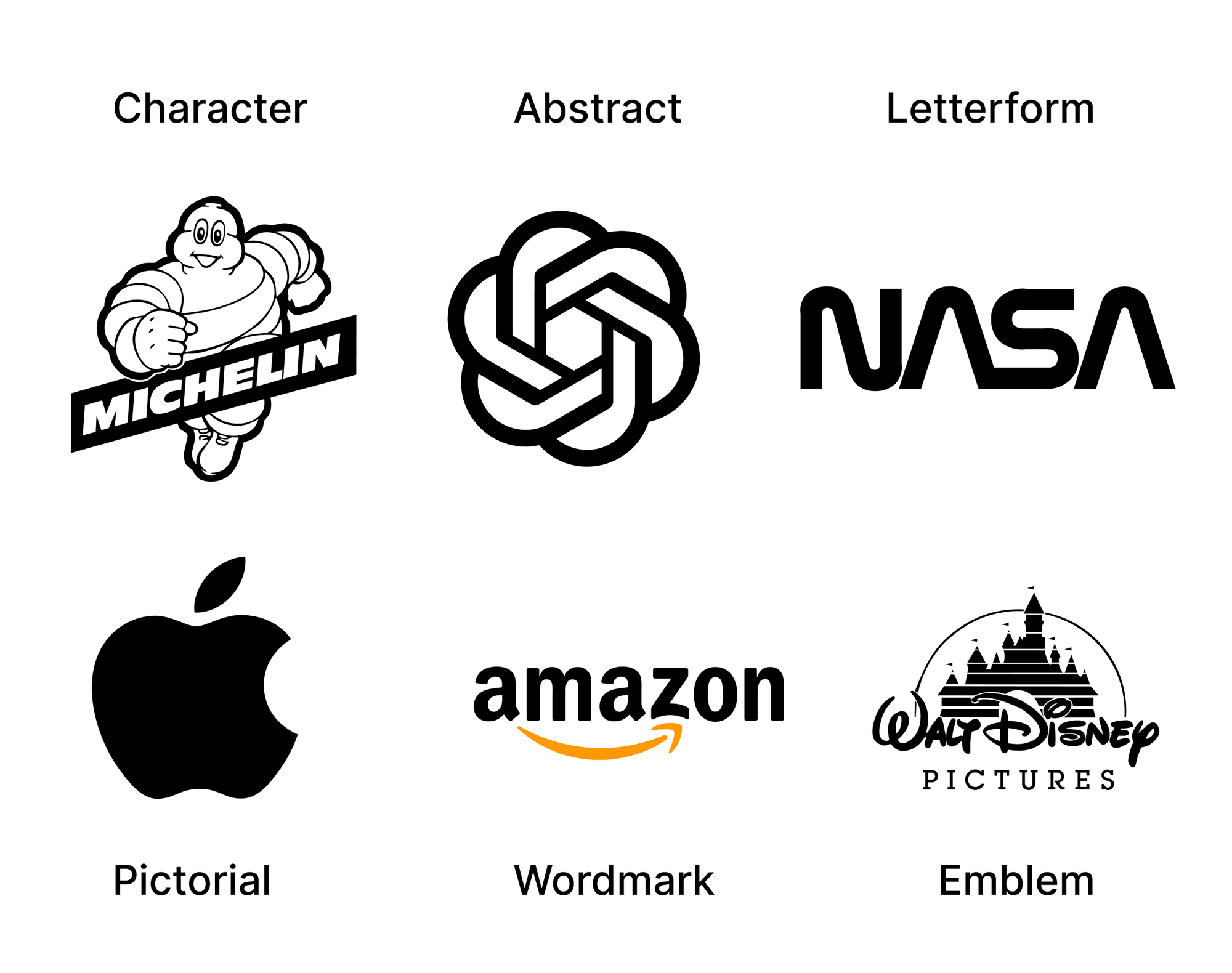
Minimal and Modern Brands
Clean logos suit technology, SaaS, and digital services. They emphasize simplicity and clarity.
Common traits include:
- Simple shapes
- Neutral or limited color palettes
- Clear typography
These logos scale well on apps and websites.
Bold and Expressive Brands
Fashion, entertainment, and lifestyle brands often use expressive visuals.
Typical features:
- Strong color contrast
- Custom typography
- Symbolic or abstract icons
These logos attract attention and foster emotional branding.
Trust-Focused Brands
Finance, healthcare, and consulting depend on credibility.
Effective elements include:
- Balanced layouts
- Professional fonts
- Calm, stable colors
These logos show reliability instantly.
Table: How Logo Styles Impact Brand Perception
| Wordmark | Clear and professional | SaaS, startups |
| Symbol | Memorable and scalable | Apps, global brands |
| Combination | Flexible and recognizable | Growing businesses |
| Emblem | Traditional and trustworthy | Education, institutions |
The Role of Color in Brand Recognition
Color influences branding psychology. I've seen businesses struggle when logo colors conflict with their message.
Color impacts:
- Emotional response
- Brand recall
- Visual hierarchy
For example:
- Blue often signals trust and stability.
- Red creates urgency and confidence.
- Green suggests growth and balance.
Fact: Brands with consistent colors greatly boost recognition across digital channels.
Typography Choices That Strengthen Identity
Fonts matter as much as symbols. The wrong font can weaken a strong logo.
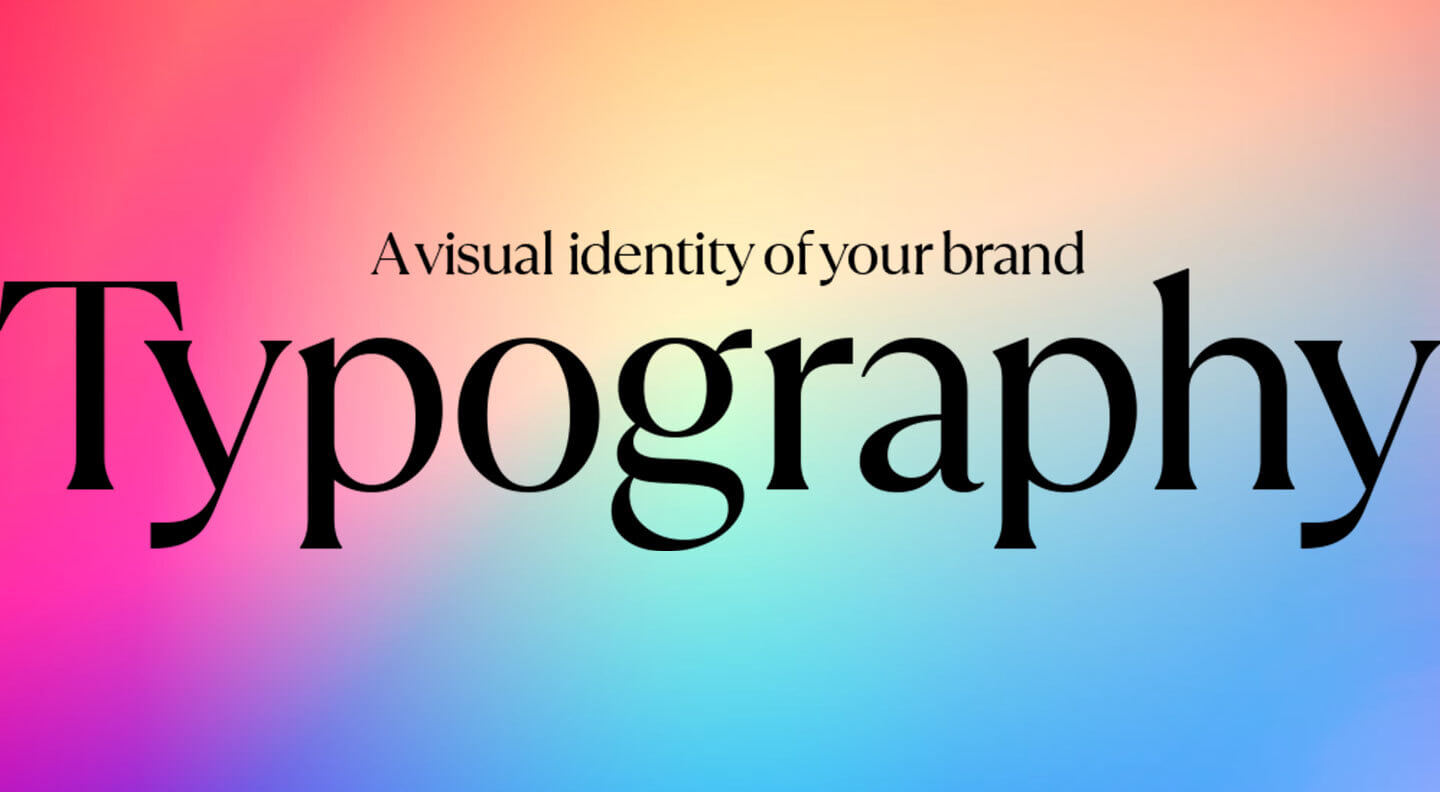
Strong typography should:
- Match brand tone
- Stay readable at small sizes.
- Work across print and screens.
Custom or modified fonts often give brands a unique edge.
Choosing the Best Logo for Digital Platforms (H2)
Today's logos must work everywhere not just on business cards.
Designers now test logos for:
- Mobile app icons
- Social media avatars
- Website headers
- Dark and light backgrounds
A flexible logo system usually includes:
- Primary logo
- Simplified icon version
- Monochrome variation
This ensures flexibility and avoids future design issues.
Scalability: A Commonly Ignored Factor
Many logos look great large but fail small. Scalability ensures clarity everywhere.
Signs of scalable logos:
- Simple shapes
- Strong contrast
- Clear spacing
Logos that scale well reduce future redesign costs.
Common Logo Mistakes Businesses Make
From real client experience, these mistakes appear often:
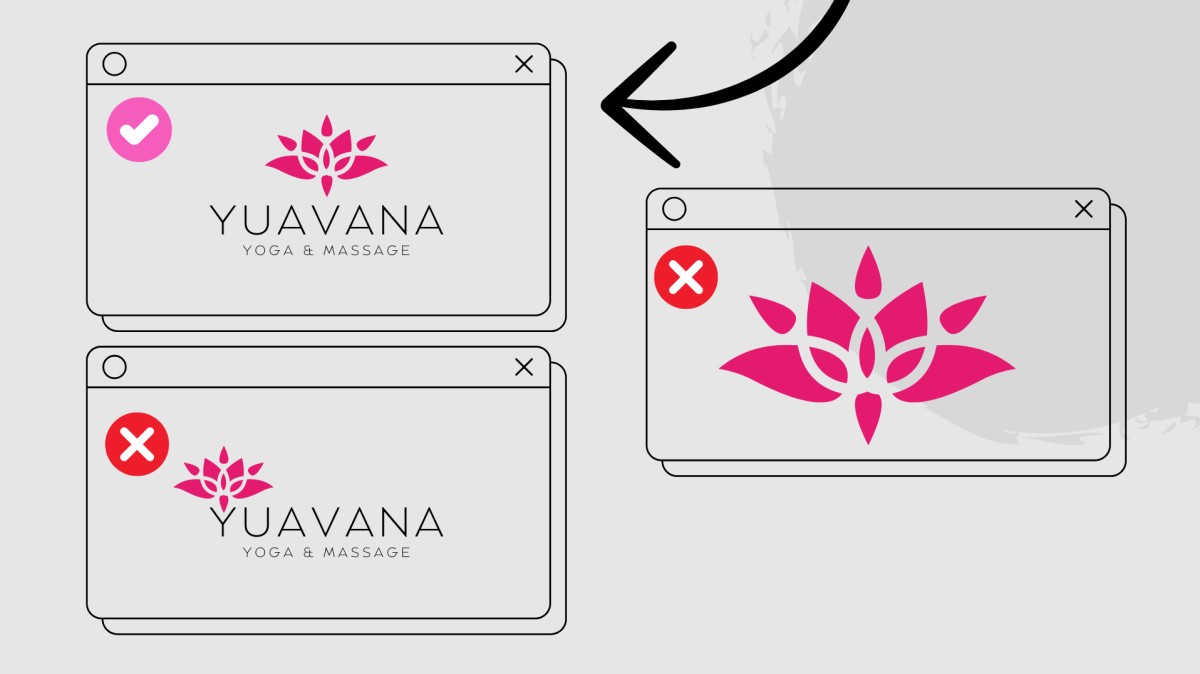
- Designing based on trends alone
- Overusing colors and effects
- Ignoring audience expectations
- Copying competitors too closely
- Skipping professional feedback
Avoiding these mistakes protects your brand.
Experience-Based Insight: Why Rebranding Happens
Many businesses rebrand within 2–3 years because their original logo lacked a strategic approach. In most cases, the issue was not design quality, but an unclear brand direction.
Rebranding costs time, money, and trust. A smart logo helps avoid this cycle.
Logo Consistency Across Platforms
Consistency builds familiarity. When users always see the same logo, confidence grows.
Consistency includes:
- Same colors
- Same spacing
- Same proportions
This is vital for websites, apps, ads, and social posts.
FAQs: Logo Design and Brand Identity
Q1: Should startups invest in professional logo design?
Yes. A strong logo supports growth and avoids early rebranding.
Yes. A strong logo supports growth and avoids early rebranding.
Q2: How long should a logo last?
With a well-planned strategy, a logo can last for many years with only minor refinements.
With a well-planned strategy, a logo can last for many years with only minor refinements.
Q3: Is a simple logo always better?
Simplicity works best when it aligns with brand goals and the audience.
Simplicity works best when it aligns with brand goals and the audience.
Q4: Can logos influence user trust?
Yes. Visual consistency and clarity improve perceived reliability.
Yes. Visual consistency and clarity improve perceived reliability.
Q5: Should logos be tested before launch?
Testing with real users helps avoid costly mistakes.
Testing with real users helps avoid costly mistakes.
Choosing the Best Logo as a Long-Term Brand Asset (H2)
Choosing the Best Logo is not just about visual appeal. It is about achieving clarity in purpose, strategy in design, and consistency in presentation. The key takeaways: a well-designed logo supports recognition, fosters trust, and strengthens brand presence across all platforms. Treating logo design as a long-term asset gives businesses a competitive edge that endures.
Author: FlowmazeUX