


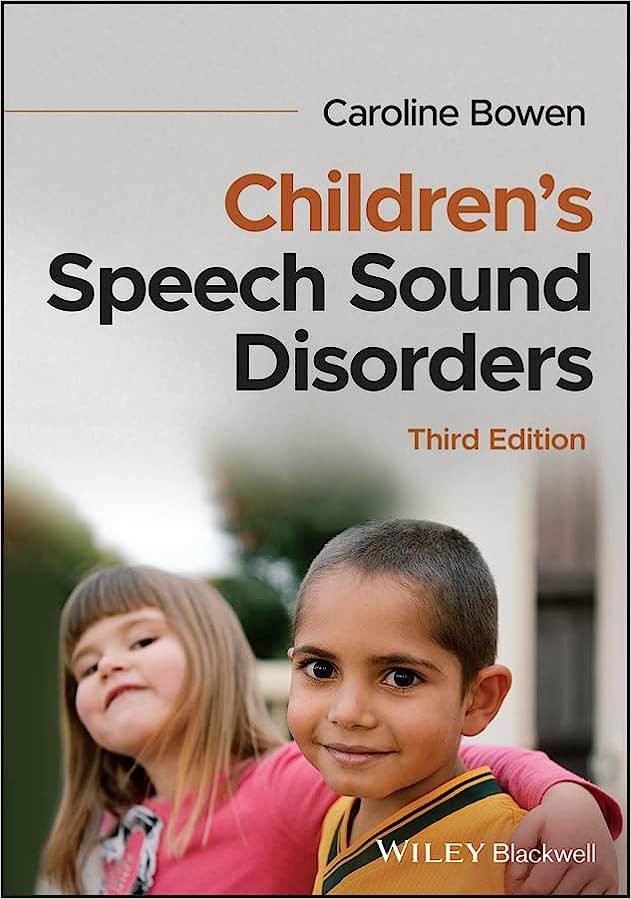
Introduction: Wanting to Help Isn’t the Same as Helping
When a child struggles with speech or language, the adults in their life are usually quick to take action. That’s a good thing — early support matters. But good intentions alone don’t guarantee good outcomes. The path families and educators choose in those early weeks and months can shape the child’s progress for years.
The hard truth is this: some approaches help, and some don’t. And unless those choices are based on evidence — not belief, tradition, or popularity — even the most dedicated effort can miss the mark.
Speech and Language Needs Are Not One-Size-Fits-All
It’s easy to assume that any child with unclear speech just needs time, or that late talkers will eventually “catch up.” Some do. But many don’t — especially if there’s an underlying speech sound disorder, developmental language disorder (DLD), or co-occurring challenges like attention difficulties, autism, or executive function delays.
And the signs aren’t always dramatic. A child might speak in full sentences but avoid certain sounds. Another may follow stories well but can’t retell them. One might stutter only under pressure. These subtle differences matter, because the treatment path that works for one child might not work at all for another.
That’s why assessment by a qualified speech-language pathologist (SLP/SLT) isn’t just a formality. It’s the starting point for making decisions based on actual needs, not assumptions.
What Evidence-Based Practice Really Means
People throw the term “evidence-based” around a lot — in schools, clinics, parenting forums. But it doesn’t just mean that something sounds logical or worked for someone else’s child.
In speech-language therapy, evidence-based practice (EBP) is a specific framework. It combines:
- The best available research: peer-reviewed studies, not blogs or influencer posts
- Clinical expertise: a therapist’s judgment, built from years of training and experience
- Client values and context: what’s practical and meaningful for the child and family
All three parts matter. Without research, we’re guessing. Without clinical insight, we risk applying methods the wrong way. Without family context, we might design a plan that doesn’t fit into the child’s daily life.
EBP doesn’t mean therapy is slow or rigid. It means every step is intentional, and the outcome isn’t left to chance.
Why Families Often Get Pulled Toward the Wrong Solutions
When progress is slow — or doesn’t start at all — parents begin looking elsewhere. That’s natural. But it’s also when the risk of misinformation spikes.
Online, you’ll find programs claiming to “fix speech in 30 days” or tools that promise to “rewire your child’s brain” with no mention of evidence. Some use testimonials. Others lean on big scientific-sounding words without backing. And many come with hefty price tags.
It’s not just about money, though. It’s about time — because while families are chasing one unsupported solution after another, the child may be missing the very help that would make a difference.
This isn't just a problem in speech-language therapy. Similar patterns show up in other fields, too. For example, people looking to improve physical performance might search for shortcuts, leading them to topics like steroids buy. But just like in therapy, shortcuts in health often come with risks. That’s why informed decisions — grounded in safety and evidence — matter so much across all domains.
Spotting Red Flags: When to Be Cautious
So how do you tell the difference between something that might help and something that’s just marketing? Here are some signs to watch for:
- Promises of fast results. Real change, especially in language and communication, takes time.
- No clear explanation of how it works. If the method can’t be described simply and clearly, it’s likely not grounded in sound practice.
- Anecdotes over data. Personal stories can be powerful — but they’re not a substitute for controlled, repeatable outcomes.
- Pushback against professionals. If a program claims that therapists “don’t want you to know this,” it’s likely trying to bypass accountability.
- Vague or overly broad claims. Anything that claims to work for all children with any challenge should raise serious questions.
Families don’t need to become experts overnight. But they do need to feel empowered to ask questions — and expect real answers.
Conclusion: Choosing What Helps, Not Just What Sounds Good
Supporting a child’s speech or language development is deeply personal. Every parent wants to give their child the best chance. Every teacher wants to help their student succeed. But when it comes to treatment and intervention, belief isn’t enough. We need tools, strategies, and systems that are tested, reviewed, and proven to do what they claim.
That’s not about being rigid. It’s about being responsible.
Progress looks different for every child. But no child should be left behind because the adults around them were sold on something that only looked helpful. The more we keep evidence at the center of our decisions, the more likely we are to get it right — not just for one child, but for every child.