


Efficient energy management has become a strategic priority for organizations seeking to reduce operating costs, improve productivity, and meet sustainability goals. As industrial facilities, commercial buildings, and infrastructure projects consume increasing amounts of electricity, understanding how energy is used is essential for optimizing performance. Smart energy monitoring tools provide real-time insights into electrical consumption, equipment behavior, and power quality conditions. These technologies enable organizations to make informed decisions, identify inefficiencies, and enhance operational reliability. By leveraging advanced monitoring solutions, businesses can achieve greater energy efficiency while supporting long-term operational and environmental objectives.

The Growing Need for Energy Monitoring
Modern facilities rely heavily on electrical systems to power machinery, automation equipment, lighting, HVAC systems, and critical infrastructure. As energy costs continue to rise, organizations are under pressure to maximize efficiency and minimize waste.
Traditional approaches to energy management often rely on periodic readings and manual analysis, which may not provide the visibility needed to identify hidden inefficiencies. Smart energy monitoring tools address this challenge by delivering continuous data and actionable insights.
Key benefits of energy monitoring include:
- Reduced energy consumption
- Lower operational costs
- Improved equipment performance
- Enhanced reliability
- Better sustainability outcomes
These advantages make energy monitoring an essential component of modern facility management.
Understanding Smart Energy Monitoring Tools
Smart energy monitoring tools are designed to measure, analyze, and report electrical parameters in real time. These systems provide detailed information about energy usage patterns, helping organizations optimize operations and improve decision-making.
Monitoring solutions can track:
- Voltage levels
- Current consumption
- Power factor
- Frequency
- Energy usage trends
- Power quality conditions
By providing accurate and timely information, these tools support more effective energy management strategies across a wide range of applications.
The Role of Digital Panel Meters
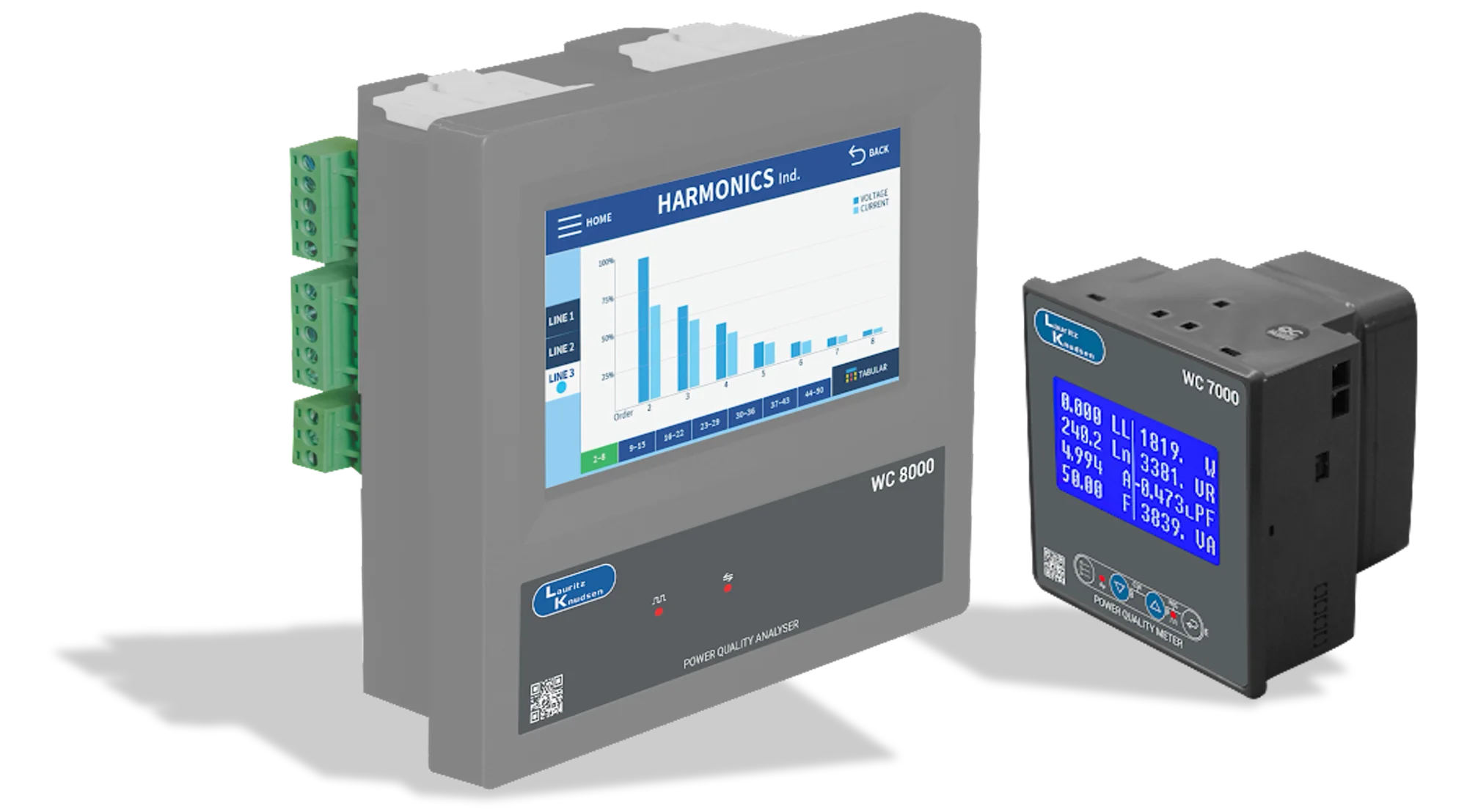
One of the most widely used monitoring devices in electrical systems is the Digital Panel Meter. These instruments provide accurate measurement and display of critical electrical parameters.
- Real-Time Data Visibility
A Digital Panel Meter allows operators to monitor electrical performance instantly, enabling quick identification of abnormalities.
- Improved Operational Awareness
Continuous access to electrical data helps facility managers understand system behavior and make informed decisions.
- Enhanced Accuracy
Digital measurement technology offers greater precision compared to traditional analog instruments.
- User-Friendly Interface
Modern meters provide clear displays and easy access to key operational information, simplifying monitoring activities.
These features make digital panel meters an important component of effective energy management systems.
Importance of Power Quality Monitoring
Energy efficiency is not only about reducing consumption but also about maintaining high-quality electrical power. Poor power quality can lead to equipment failures, reduced efficiency, and increased maintenance costs.
Common Power Quality Issues
Electrical systems may experience:
- Voltage fluctuations
- Harmonic distortion
- Frequency variations
- Voltage sags and swells
- Transient disturbances
Monitoring these conditions helps organizations identify problems before they affect operations.
This is where Power Quality Meters play a critical role by providing detailed analysis of electrical system performance.
Benefits of Real-Time Energy Data
Access to real-time energy information allows organizations to take proactive measures to improve efficiency and reliability.
- Immediate Problem Identification
Operators can quickly detect abnormal conditions and address issues before they escalate.
- Better Resource Allocation
Accurate data supports informed decisions regarding energy usage and operational planning.
- Reduced Downtime
Early detection of potential equipment issues helps prevent unexpected failures.
- Continuous Improvement
Ongoing monitoring provides insights that support long-term efficiency initiatives.
Real-time visibility is one of the key advantages of modern energy monitoring technologies.
Enhancing Operational Efficiency
Energy monitoring tools contribute significantly to operational efficiency across industrial and commercial facilities.
- Identifying Energy Waste
Monitoring systems help pinpoint areas where energy is being consumed unnecessarily.
- Optimizing Equipment Performance
Performance data enables organizations to adjust operating conditions for maximum efficiency.
- Improving Load Management
Understanding energy demand patterns helps balance loads and reduce peak consumption.
- Supporting Cost Reduction
Lower energy consumption directly contributes to reduced operating expenses.
Facilities that actively monitor their energy usage are often better positioned to achieve efficiency targets and maintain competitive operations.
Power Quality Meters and Equipment Protection
Electrical equipment performs best when supplied with stable and high-quality power. Poor power quality can negatively affect motors, drives, transformers, and automation systems.
- Detecting Harmonics
Power Quality Meters help identify harmonic distortion that may reduce equipment efficiency and lifespan.
- Monitoring Voltage Stability
Consistent voltage levels are essential for reliable equipment operation.
- Preventing Equipment Damage
Early detection of power quality issues allows corrective action before significant damage occurs.
- Supporting Maintenance Strategies
Power quality data provides valuable insights for preventive and predictive maintenance programs.
These capabilities help organizations improve equipment reliability and reduce maintenance costs.
Digital Transformation and Energy Monitoring
The rise of Industry 4.0 and smart infrastructure has accelerated the adoption of advanced monitoring technologies.
- Integration with Automation Systems
Energy monitoring tools can communicate with broader facility management platforms to provide centralized visibility.
- Remote Monitoring Capabilities
Operators can access energy data from virtually any location, improving responsiveness and decision-making.
- Data Analytics
Advanced analytics convert raw data into meaningful insights that support operational improvements.
- Predictive Maintenance
Monitoring trends over time helps identify emerging issues before failures occur.
A modern Digital Panel Meter integrated with digital management systems can provide valuable data that supports smarter operations and better energy control.
Supporting Sustainability Goals
Sustainability has become a major focus for organizations worldwide. Energy monitoring plays an important role in helping facilities reduce their environmental impact.
- Lower Energy Consumption
Improved visibility enables organizations to identify opportunities for energy savings.
- Reduced Carbon Emissions
Lower electricity usage contributes to reduced greenhouse gas emissions.
- Better Resource Utilization
Monitoring systems help optimize the use of available energy resources.
- Regulatory Compliance
Many sustainability initiatives require accurate energy measurement and reporting.
Smart monitoring technologies support both environmental responsibility and operational efficiency.
Selecting the Right Energy Monitoring Solution
Choosing the right monitoring tools requires careful evaluation of facility requirements.
- Measurement Capabilities
The system should provide accurate monitoring of all relevant electrical parameters.
- Scalability
Monitoring solutions should accommodate future growth and changing operational needs.
- Communication Features
Integration with existing automation and management systems enhances overall effectiveness.
- Reliability and Durability
Equipment should perform consistently in the intended operating environment.
Organizations that select the right monitoring technologies can achieve greater value from their energy management initiatives.
Future Trends in Smart Energy Monitoring
Energy monitoring technology continues to evolve rapidly.
Emerging developments include:
- Artificial intelligence-driven analytics
- Cloud-based monitoring platforms
- Advanced predictive maintenance tools
- Enhanced IoT connectivity
- Automated energy optimization systems
As these technologies mature, organizations will gain even greater visibility into energy performance and opportunities for improvement.
The role of Power Quality Meters and intelligent monitoring devices will continue to expand as facilities seek higher levels of efficiency, reliability, and sustainability.
Conclusion
Smart energy monitoring tools are essential for organizations striving to improve efficiency, reduce costs, and enhance operational reliability. By providing real-time visibility into energy usage and electrical performance, these technologies support better decision-making and proactive maintenance strategies. Solutions such as the Digital Panel Meter and advanced Power Quality Meters help facilities optimize energy consumption, protect critical equipment, and maintain high-quality power distribution. As businesses continue to embrace digital transformation and sustainable practices, Lauritz Knudsen Electrical & Automation remains committed to supporting innovative, reliable, and future-ready solutions that drive efficient and intelligent energy management.