


Building a Better Riding Surface for Healthier, Happier Horses
A well-designed dressage arena is more than just a place to train. The footing beneath every stride plays a major role in a horse's safety, comfort, and long-term performance. Proper dressage arena footing construction helps create a stable, supportive surface that reduces injury risks, improves movement, and provides a better experience for both horses and riders. Investing in quality footing is one of the smartest decisions any horse owner can make.
Why Arena Footing Matters So Much
Dressage requires balance, precision, and repeated movements that place stress on a horse's joints, tendons, and muscles. Poor footing can lead to uneven movement, fatigue, and even serious injuries over time.
Good footing provides enough cushion to absorb impact while remaining firm enough to support every step. This balance allows horses to move naturally and confidently during training and competition.
The right arena surface also helps riders maintain better control and consistency, which improves overall performance and safety.
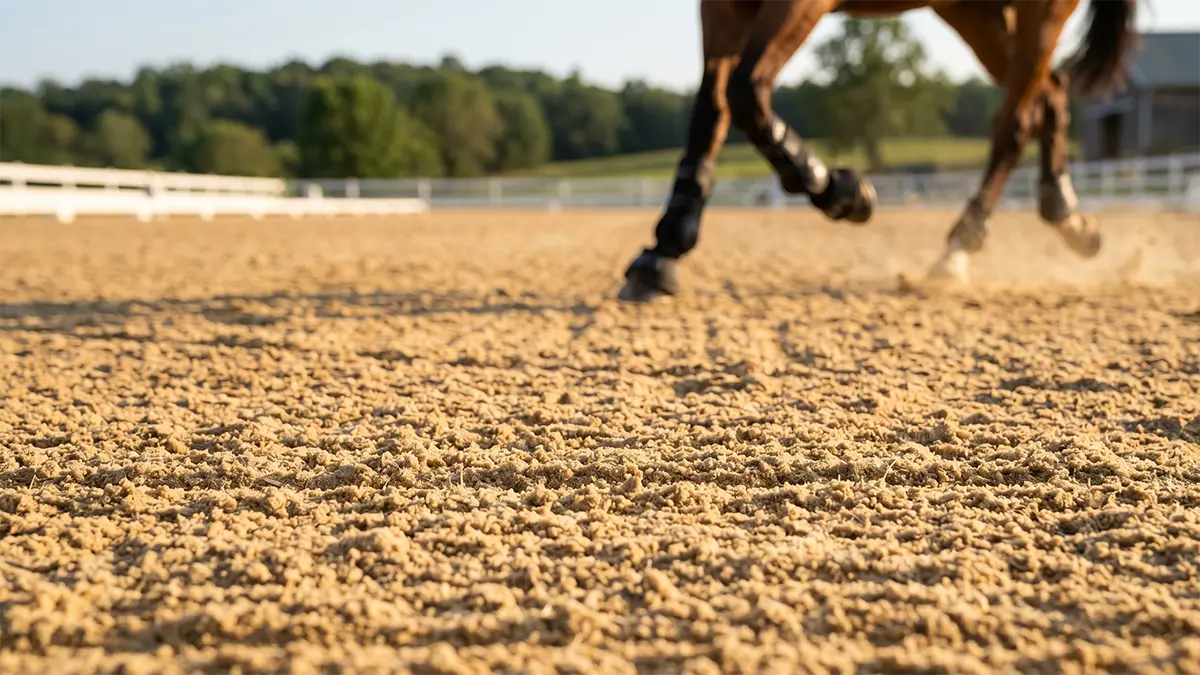
The Basics of Dressage Arena Footing Construction
Successful dressage arena footing construction starts long before the top layer is added. Every part of the foundation contributes to the quality and lifespan of the arena.
Key elements include:
- Proper site preparation
- Effective drainage systems
- A strong and stable base layer
- High-quality footing materials
- Regular maintenance plans
When these elements work together, the arena stays level, drains efficiently, and performs well throughout the year.
Better Footing Means Better Horse Safety
One of the biggest benefits of quality arena construction is injury prevention.
Horses that train on uneven, muddy, or overly hard surfaces are more likely to experience problems such as:
- Joint stress
- Tendon strains
- Hoof issues
- Muscle fatigue
- Slipping accidents
A properly built arena creates a consistent surface that helps distribute weight evenly during movement. This reduces unnecessary strain on the horse's body and supports long-term soundness.
Safe footing is especially important for young horses, older horses, and those returning from injury.
Comfort Leads to Better Performance
Comfort directly affects how a horse performs.
When horses trust the surface beneath them, they move more freely and confidently. They are more willing to engage their hindquarters, maintain balance, and perform advanced dressage movements with ease.
Many experienced riders notice improvements in:
- Rhythm and cadence
- Collection and extension
- Overall confidence
- Reduced fatigue after training sessions
Comfortable footing allows horses to focus on their work instead of adjusting to inconsistent ground conditions.
The Importance of Proper Drainage
Water management is one of the most important parts of arena design.
Without proper drainage, arenas can quickly become muddy, slippery, and difficult to maintain. Excess moisture also breaks down footing materials over time, leading to uneven surfaces and expensive repairs.
Modern arena systems often include drainage layers and geotextile solutions that help move water away efficiently. These systems keep riding surfaces usable in different weather conditions while protecting the integrity of the arena foundation.
Good drainage means safer riding and lower maintenance costs in the long run.
Choosing the Right Footing Materials
Every horse property has different needs, so there is no single solution that works for everyone.
Popular footing materials for dressage arenas include:
Sand Blends
Quality sand provides stability and excellent drainage. The shape and size of sand particles greatly affect performance and comfort.
Fiber Additives
Synthetic fibers help improve consistency, reduce compaction, and create better support during movement.
Geotextile Solutions
Geotextile materials are increasingly used to reinforce arena surfaces and improve durability. They help maintain footing quality while supporting sustainable property management.
Choosing the right combination depends on climate, riding frequency, maintenance practices, and budget.
Regular Maintenance Keeps Horses Safe
Even the best-built arena requires ongoing care.
Simple maintenance practices include:
- Dragging the arena regularly
- Monitoring moisture levels
- Checking for uneven spots
- Maintaining drainage systems
- Adding footing materials when needed
Routine care helps preserve the original design and keeps the riding surface safe for years to come.
Horse owners who invest in maintenance often experience lower long-term costs and better riding conditions.
Sustainability Is Becoming More Important
Modern horse property owners are increasingly looking for environmentally friendly solutions.
Sustainable arena construction focuses on reducing dust, improving water management, and using durable materials that last longer. These practices benefit both horses and the surrounding environment.
Today, many professionals recommend innovative approaches to dressage arena footing construction that combine performance, longevity, and environmental responsibility.
Creating a sustainable arena is not only good for the planet—it also protects your investment for the future.
Conclusion
The quality of an arena directly affects a horse's safety, comfort, and performance. Investing in proper construction, drainage, and maintenance creates a healthier environment where horses can thrive. For trusted footing solutions and expert guidance, Performance Footing in Arizona helps horse owners build durable, safe, and comfortable riding surfaces designed for long-term success.
Frequently Asked Questions
What is the best footing for a dressage arena?
High-quality sand combined with fiber additives is a popular choice because it provides stability, cushioning, and excellent drainage. The ideal footing depends on local climate and riding needs.
How often should a dressage arena be maintained?
Most arenas benefit from regular dragging, moisture management, and periodic inspections. Consistent maintenance helps preserve footing quality and extends the life of the arena.
Why is drainage important in arena construction?
Proper drainage prevents standing water, reduces mud, protects footing materials, and keeps the riding surface safer throughout the year.
How does good footing improve horse comfort?
A supportive and consistent surface reduces stress on joints and tendons, allowing horses to move naturally and perform with greater confidence.
Can sustainable materials be used in dressage arenas?
Yes. Many modern arena systems use geotextiles and environmentally friendly solutions that improve durability, manage dust, and support better water drainage.