


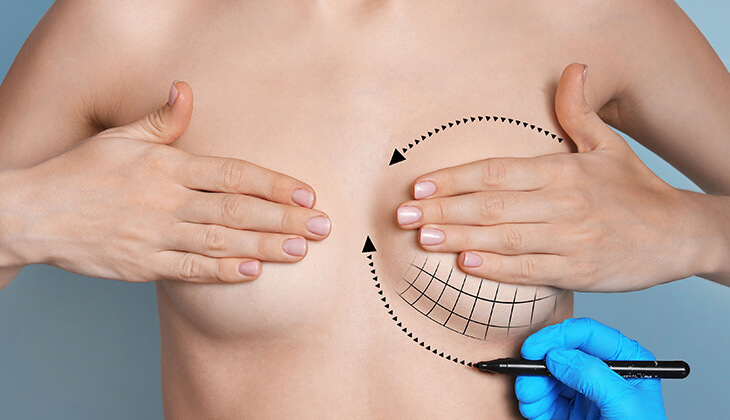
Post-operative care plays a crucial role in achieving optimal aesthetic outcomes after cosmetic breast procedures. One of the most important yet often underestimated elements of recovery is the use of specialized support garments. These garments are designed to stabilize tissue, reduce swelling, and support healing structures while the body adjusts to its new shape. When considering Breast Augmentation in Dubai, understanding the role of these garments becomes essential for ensuring comfort, safety, and long-term satisfaction with results. Proper garment use is not just an accessory to recovery; it is a fundamental part of the healing journey that directly influences outcomes.
Understanding Breast Augmentation Support Garments
Support garments are medically designed compression wear used immediately after surgical procedures involving the chest area. Their primary function is to provide controlled pressure that helps minimize swelling and support the newly shaped breast tissue. Unlike regular bras, these garments are engineered with specific fabrics and structural support zones that target post-operative needs.
They help maintain implant or tissue positioning, ensuring that healing occurs symmetrically and in a stable environment. The design typically includes adjustable straps, front closures, and seamless construction to avoid irritation on sensitive skin. Comfort and functionality are carefully balanced to promote healing without restricting necessary movement.
Why Support Garments Matter After Surgery
After surgical enhancement procedures, the body naturally responds with swelling, fluid retention, and tissue sensitivity. Support garments play a vital role in managing these responses effectively. By applying consistent pressure, they help reduce fluid buildup and promote proper lymphatic drainage.
They also provide external stabilization, preventing unnecessary movement that could disrupt healing tissues. This is particularly important in the early recovery phase when the internal structures are still settling. Without proper support, the risk of uneven healing or prolonged discomfort may increase significantly.
Additionally, these garments help reduce pain by limiting excessive stretching of the skin and surrounding tissue. This allows individuals to move more comfortably during daily activities while maintaining protection for the surgical area.
Types of Post-Surgery Garments
There are several variations of post-surgical support garments, each designed to meet different recovery needs. Compression bras are the most commonly used type, offering firm yet flexible support. These are typically worn immediately after the procedure and during the initial healing phase.
Some garments provide adjustable compression levels, allowing gradual reduction of pressure as swelling decreases. Others are designed with additional coverage to support the upper chest and underarm areas, ensuring uniform compression across surrounding tissues.
In some cases, specialized garments may include integrated stabilizing bands that help control upper positioning during early healing. The selection of garment type depends on individual recovery requirements and the stage of healing, ensuring optimal support at every phase.
How to Wear and Adjust Properly
Correct usage of support garments is essential for achieving their intended benefits. They should fit snugly without causing discomfort or restricting breathing. The straps and closures should be adjusted evenly to avoid asymmetrical pressure distribution.
It is important to ensure that the garment remains properly aligned throughout the day. Misalignment can lead to uneven compression, which may affect healing symmetry. Regular checks and minor adjustments help maintain consistent support.
In most cases, garments are worn continuously during the early recovery period, including during sleep. This continuous support ensures stability and reduces the risk of unnecessary tissue movement during rest.
Recovery Timeline and Garment Usage
The duration of support garment usage varies depending on individual healing progress. During the initial weeks, continuous wear is typically recommended to control swelling and support tissue integration. As recovery advances, usage may gradually transition to part-time wear.
Over time, the body adapts to its new structure, and the need for external support decreases. However, many individuals continue wearing supportive garments during physical activities to maintain comfort and stability.
Adhering to the recommended timeline ensures that tissues heal in the correct position, contributing to more natural and long-lasting results.
Tips for Comfort and Better Healing
Comfort plays a significant role in adherence to post-surgical garment use. Choosing soft, breathable materials can help reduce irritation on sensitive skin. Seamless designs are particularly beneficial in minimizing friction.
It is also helpful to wear the garment in a relaxed environment during the initial adjustment phase. Gradually, the body becomes accustomed to the compression, making long-term wear more manageable.
Maintaining proper hydration and gentle movement, as advised during recovery, can further enhance the benefits of support garments by improving circulation and reducing stiffness.
Psychological Benefits and Body Confidence
Beyond physical recovery, support garments also provide psychological reassurance. They offer a sense of structure and stability during a time when the body is undergoing significant change. This can help reduce anxiety and increase confidence throughout the healing process.
Seeing gradual improvements while feeling physically supported often contributes to a more positive recovery experience. The psychological comfort provided by structured support can be just as important as the physical benefits.
As healing progresses, individuals often feel more aligned with their desired body image, which can enhance overall satisfaction and self-confidence.
When to Transition Out of Garments
Transitioning away from support garments should be done gradually. The decision is typically based on healing progress, reduction in swelling, and overall tissue stability. Abrupt discontinuation may lead to discomfort or compromise results.
In many cases, individuals shift from high-compression garments to lighter support options before fully returning to regular bras. This phased approach allows the body to adapt naturally while maintaining stability.
Listening to the body’s signals and maintaining consistent observation of changes ensures a smooth transition and long-term comfort.
Book Us
Achieving optimal results after Breast Augmentation requires not only careful procedure planning but also disciplined post-operative care, especially the use of proper support garments. At Enfield Royal Clinic Dubai, personalized recovery guidance is provided to ensure each step of healing is managed with precision, comfort, and attention to detail, helping individuals move confidently through their transformation journey.