


Knee pain can gradually affect every aspect of daily life, limiting movement, reducing independence, and making even routine activities uncomfortable. While mild knee discomfort may respond to medications or physiotherapy, persistent or progressive pain may indicate advanced joint damage. In such cases, Total Knee Replacement Surgery in Delhi may offer lasting relief and restored mobility.
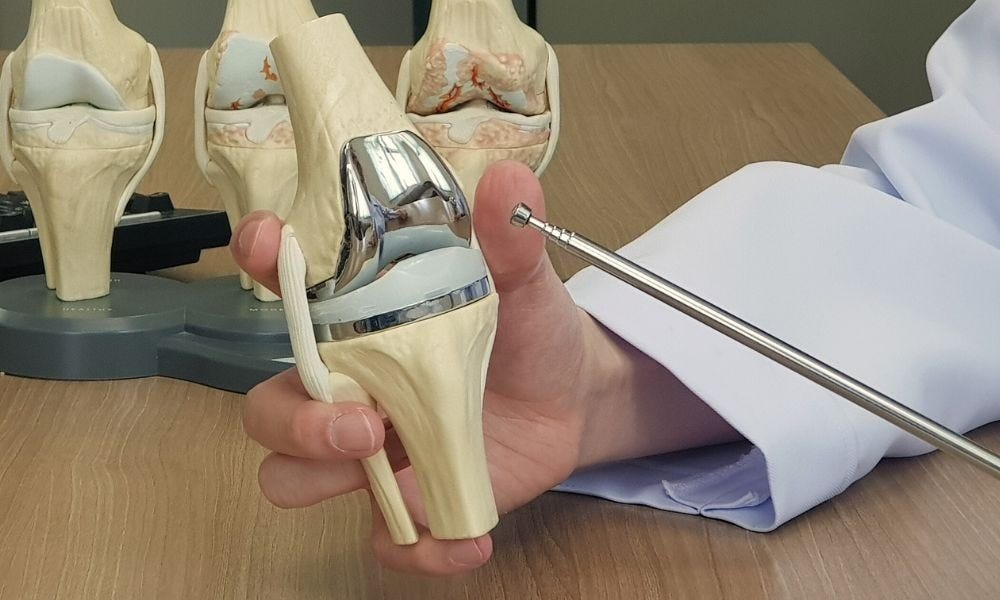
Recognizing early warning signs is important, as timely treatment can prevent worsening disability and improve quality of life. Here are ten signs that may indicate the need for surgical evaluation.
1. Difficulty Walking or Climbing Stairs:
When walking short distances, climbing stairs, or rising from a chair becomes painful and difficult, it may suggest significant cartilage wear or joint degeneration. Advanced arthritis often causes reduced function that may require surgical correction.
2. Persistent Knee Pain Even at Rest:
Knee pain that continues during rest or disturbs comfort while sitting or lying down may indicate severe joint damage. Pain that does not improve with medication should not be ignored.
3. Morning Stiffness and Reduced Mobility:
Stiffness after waking up or after prolonged sitting is a common sign of knee arthritis. When stiffness lasts longer and affects daily movement, further assessment may be needed.
4. Inability to Bend or Straighten the Knee Fully:
Restricted knee motion can interfere with walking, squatting, and routine tasks. Loss of flexibility often points toward progressive joint deterioration.
5. Recurrent Swelling Around the Knee:
Repeated swelling may result from chronic inflammation inside the joint. Persistent swelling despite rest or treatment may suggest structural damage requiring advanced management.
6. Change in Knee Shape or Leg Alignment:
Bow legs or knock-knee deformity may develop due to uneven cartilage loss. These changes can increase pain and affect balance, making timely treatment important.
7. Grinding or Cracking Sensation:
A grinding sensation, clicking, or crackling sound while moving the knee may occur when joint surfaces lose protective cartilage and bones begin rubbing together.
8. Difficulty Performing Daily Activities:
If standing, walking, or household tasks become exhausting due to knee pain, it may be time to consider specialist evaluation. Functional limitation is a key sign that conservative treatment may no longer be enough.
9. Knee Pain That Disturbs Sleep:
Pain severe enough to interrupt sleep often suggests advanced arthritis. Night pain is commonly seen in patients who may benefit from Total Knee Replacement Surgery in Delhi.
10. Medications and Injections No Longer Provide Relief:
When pain persists despite physiotherapy, medications, or injections, the knee joint may have reached a stage where surgery offers the best long-term solution.
Why Expert Orthopaedic Evaluation Matters:
Knee replacement is a highly successful procedure designed to replace damaged joint surfaces, relieve pain, and restore mobility. However, outcomes depend greatly on proper diagnosis, surgical expertise, and rehabilitation planning.
Consulting the Best Orthopaedic Surgeon in Delhi ensures individualized assessment and the most suitable treatment approach, whether conservative care, partial replacement, or total knee replacement is needed.
Why Choose Dr. Anant Kumar Tiwari?
Dr. Anant Kumar Tiwari is widely regarded for expertise in advanced joint replacement procedures and patient-focused orthopaedic care. Patients considering Total Knee Replacement Surgery in Delhi benefit from his precision-driven approach, modern surgical techniques, and comprehensive post-operative support.
Recognized by many as the Best Orthopaedic Surgeon in Delhi, Dr. Tiwari offers trusted care for patients seeking pain relief, improved mobility, and long-term joint function.
Early consultation can prevent further joint damage and help patients return to an active, pain-free life.
#Total Knee Replacement Surgery in Delhi #Best Orthopaedic Surgeon in Delhi