


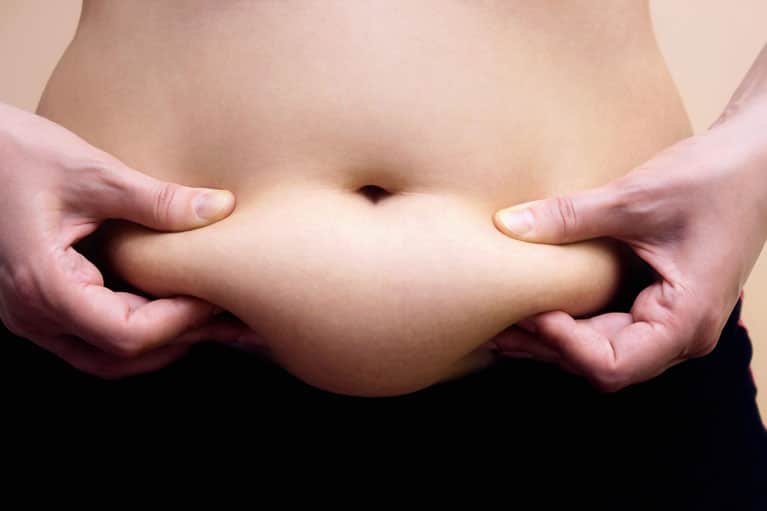
CoolSculpting for fat freezing is a non-invasive concept based on controlled cooling that targets fat cells beneath the skin. The idea behind it is simple yet scientifically interesting. It focuses on the way fat cells respond to cold temperatures compared to other types of body tissues. Instead of involving any surgical approach, it relies on temperature-controlled cooling to influence fat cell behavior in specific areas of the body. The process is widely discussed in aesthetic science because it uses physical principles rather than chemical or invasive methods.
How the Science Works Behind Fat Freezing
Coolsculpting in Dubai is based on a principle called cryolipolysis. This process explains how fat cells react more strongly to cold compared to surrounding tissues like skin, nerves, and muscle. When exposed to controlled cooling, fat cells begin to crystallize. This crystallization is the key scientific reaction that sets fat cells apart from other cells in the body.
Once crystallized, fat cells gradually lose their normal function. Over time, the body recognizes these altered fat cells as no longer needed and naturally processes them through its metabolic system. This is not an instant process, but a gradual biological response that unfolds over weeks.
The controlled cooling used in this process is carefully designed so that it affects fat cells without disrupting the surrounding structures. This selective response is what makes the science behind fat freezing so unique and widely studied in body contouring research.
What Happens to Fat Cells
Fat cells are sensitive to temperature changes, and this sensitivity is what makes them the main target of the process. When fat cells are exposed to cooling, they enter a state where their internal structure begins to break down. This breakdown is not immediate destruction but a slow biological change.
Over time, the body’s natural systems identify these fat cells as unnecessary. They are then gradually broken down and removed through natural metabolic pathways. This process allows the body to reshape areas where fat cells were once more concentrated.
Unlike other cells in the body, fat cells are more vulnerable to cold-induced changes, which is why they are specifically affected while other tissues remain stable during the process.
Why Surrounding Tissues Stay Unaffected
One of the most interesting parts of fat freezing science is how surrounding tissues remain largely unchanged. Skin, muscles, and nerves respond differently to controlled cooling compared to fat cells. These structures are more resistant to temperature variations, which allows them to maintain their normal function during the process.
This selective response is based on biological differences in cell composition and structure. Fat cells contain lipids that solidify at higher temperatures than water-based cells, making them more responsive to cooling. This difference is what allows the process to focus on fat cells specifically.
The balance between cooling intensity and tissue tolerance is carefully understood in scientific research, ensuring that only targeted fat cells undergo change while the rest of the tissue continues functioning normally.
The Body’s Natural Process After Fat Freezing
After fat cells are affected by controlled cooling, the body gradually processes them through its natural waste removal system. This system works continuously to break down and eliminate unwanted cellular material. The affected fat cells are slowly cleared away over time, allowing the body to adjust its shape naturally.
This gradual process is one of the reasons fat freezing is considered a slow but steady approach to body contour changes. Instead of immediate transformation, the body works in stages, responding naturally to the changes within fat tissue.
The biological response can vary from person to person, but the underlying mechanism remains the same. The body uses its internal systems to manage and process the altered fat cells without requiring external intervention.
What Makes the Technology Interesting
Fat freezing technology has gained attention because it uses a physical principle rather than a chemical or mechanical one. The idea that fat cells respond differently to temperature creates an interesting area of study in body science.
Some key scientific points include:
- Fat cells are more sensitive to cold than other cells
- Controlled cooling triggers a natural breakdown process
- The body gradually removes affected fat cells over time
- Surrounding tissues remain stable due to different cellular structures
- The process relies on biological metabolism rather than external substances
This combination of biology and physics makes fat freezing a unique subject in modern aesthetic science.
FAQs
How does fat freezing target only fat cells
Fat freezing works because fat cells react more strongly to cold temperatures than other cells. Their structure allows them to crystallize under controlled cooling, while surrounding tissues remain stable and unaffected.
Why does the body take time to process fat cells
The body uses natural metabolic pathways to gradually break down and remove affected fat cells. This slow process ensures that changes happen in a steady and natural way rather than instantly.
What makes fat cells different from other cells in cold conditions
Fat cells contain lipid-rich structures that respond to cold by solidifying more easily than water-based cells like muscle or skin cells. This difference is what makes them the main focus of the process.
Is the process based on natural body functions
Yes, the entire concept is based on the body’s natural ability to identify and remove damaged or unnecessary cells. The cooling simply initiates a biological response that the body already knows how to handle.
Conclusion
Coolsculpting for fat freezing is rooted in a scientific principle that explores how fat cells uniquely respond to controlled cooling. Through cryolipolysis, fat cells undergo structural changes that the body gradually processes over time using its natural metabolic systems. The science behind it highlights the difference between fat cells and other tissues, showing why targeted cooling can influence body contours without affecting surrounding structures. This makes fat freezing an interesting blend of biology and physics, demonstrating how the body can naturally adapt and respond to carefully applied temperature changes.