


Cancer continues to be a leading cause of morbidity worldwide, with gastrointestinal (GI) cancers contributing significantly to the disease burden. These cancers affect the digestive system, including the esophagus, stomach, liver, pancreas, colon, and rectum. While genetic predisposition and aging are unavoidable risk factors, a large proportion of GI cancers are associated with modifiable lifestyle habits.
Adopting preventive strategies and making informed health choices can substantially reduce the risk of developing these malignancies.
Understanding GI Cancers:
Gastrointestinal cancers encompass a spectrum of malignancies such as:
- Esophageal cancer
- Gastric (stomach) cancer
- Liver cancer
- Pancreatic cancer
- Colorectal cancer
Each type varies in its origin and progression, but many share common risk factors, particularly those related to diet, lifestyle, and chronic health conditions.
Effective Strategies for Cancer Prevention:
1. Maintain a Balanced and Nutritious Diet
A diet rich in fruits, vegetables, whole grains, and legumes provides essential antioxidants and micronutrients that protect cells from damage. High dietary fiber intake supports gut health and may lower the risk of colorectal cancer. It is advisable to limit consumption of processed and red meats, which are associated with increased cancer risk.
2. Achieve and Maintain a Healthy Weight
Obesity is a well-established risk factor for several GI cancers, including colorectal, pancreatic, and esophageal cancers. Regular physical activity combined with a balanced diet helps maintain optimal body weight and reduces cancer risk.
3. Limit Alcohol Intake
Excessive alcohol consumption has been linked to cancers of the liver, esophagus, and other parts of the digestive system. Moderation or complete avoidance of alcohol plays a crucial role in cancer prevention.
4. Avoid Tobacco Use
Smoking introduces harmful carcinogens into the body, significantly increasing the risk of multiple GI cancers, including those affecting the stomach and pancreas. Quitting smoking is one of the most effective preventive measures.
5. Stay Adequately Hydrated
Proper hydration supports digestion, aids in toxin elimination, and helps maintain overall gastrointestinal health. Adequate water intake contributes to reducing the risk of certain digestive tract cancers.
6. Regular Screening and Health Check-ups
Early detection is key to successful cancer treatment. Individuals, especially those with a family history or high-risk conditions, should undergo regular screenings such as colonoscopy or liver function monitoring. Timely diagnosis improves prognosis significantly.
7. Vaccination and Infection Control
Certain infections are linked to cancer development. Hepatitis B virus (HBV) increases the risk of liver cancer, while human papillomavirus (HPV) is associated with anal and oropharyngeal cancers. Vaccination against these viruses is an effective preventive measure.
8. Manage Chronic Medical Conditions
Chronic diseases such as diabetes, inflammatory bowel disease, and liver disorders can increase cancer risk if not properly managed. Regular medical follow-up and adherence to treatment plans help reduce long-term complications.
9. Sun Protection and Overall Immunity
While primarily associated with skin cancer, excessive sun exposure can impact immune health. Maintaining a strong immune system supports the body’s ability to prevent abnormal cell growth.
Importance of Specialist Consultation:
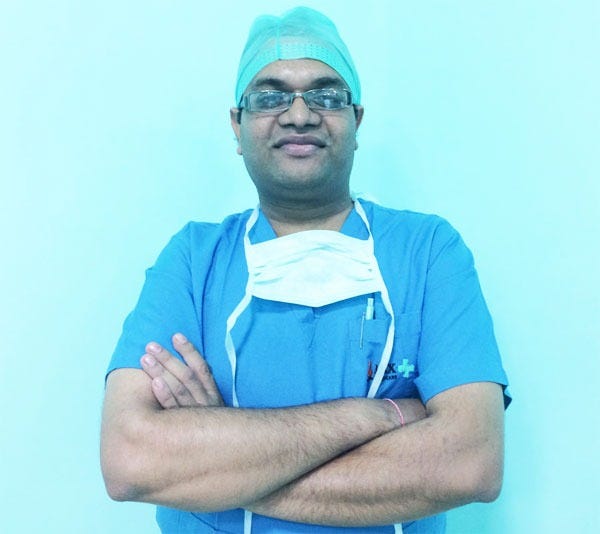
Preventive care should always be complemented by expert medical guidance. Consulting an experienced Cancer Surgeon in Delhi can help assess individual risk factors, recommend appropriate screening protocols, and provide personalized strategies for cancer prevention.
Conclusion:
Gastrointestinal cancers are largely preventable through conscious lifestyle choices and proactive healthcare. A combination of balanced nutrition, regular exercise, avoidance of harmful habits, and timely medical screening can significantly reduce cancer risk.
Taking charge of your health today can lead to a healthier and longer life. For expert guidance on prevention and early detection, seeking advice from a qualified Cancer Surgeon in Delhi ensures comprehensive care and informed decision-making toward a cancer-free future.
#Cancer Surgeon in Delhi #Colorectal Surgery in Delhi
Also visit: https://www.patreon.com/posts/advanced-surgery-154575334