


Over the past decade, remarkable technological innovations have transformed the field of surgery. Among these advancements, robot-assisted surgery has emerged as a groundbreaking approach that allows surgeons to perform complex procedures with greater accuracy and minimal invasiveness. In the management of gastrointestinal (GI) diseases, robotic systems are increasingly being used to improve surgical precision, reduce recovery time, and enhance patient outcomes.
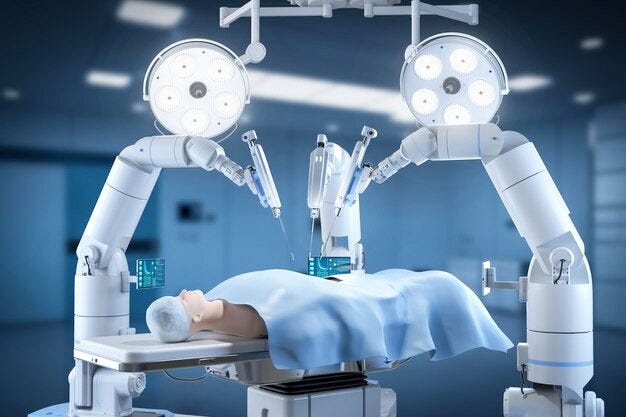
Today, many patients seeking advanced Robotic Surgery in Delhi benefit from this modern surgical technique, which combines the expertise of skilled surgeons with cutting-edge robotic technology.
What is Robotic Surgery?
Robotic surgery, also called robot-assisted minimally invasive surgery, is a technique in which the surgeon performs the operation using robotic instruments controlled through a specialized console. Despite the name, the robot does not operate independently. Instead, it translates the surgeon’s hand movements into extremely precise actions of miniature surgical instruments.
The robotic system usually consists of three main components:
- Robotic arms: These hold tiny surgical instruments designed with wrist-like joints that allow highly flexible movements.
- High-definition 3D camera: A camera-equipped endoscope provides a magnified and detailed view of the surgical area.
- Surgeon’s console: The surgeon sits at a console and controls the robotic instruments and camera with exceptional precision.
This technology enables surgeons to perform delicate procedures in confined anatomical spaces with improved visibility and control.
Who Performs Robotic GI Surgery?
Robotic procedures are performed by specially trained gastrointestinal surgeons who have expertise in minimally invasive and robotic surgical techniques. These surgeons undergo extensive training to operate robotic systems safely and effectively.
Patients undergoing complex procedures often seek treatment from an experienced Cancer Surgeon in Delhi, particularly when robotic surgery is used for gastrointestinal cancers.
Applications of Robotic Surgery in Gastrointestinal Treatments:
Robotic technology has expanded the possibilities of minimally invasive surgery across a wide range of GI conditions. Some of the common procedures performed using robotic systems include:
Colorectal Procedures:
- Surgery for colorectal cancers
- Treatment for ulcerative colitis
- Surgical repair of rectal prolapse
Esophagogastric Procedures:
- Cardiomyotomy for achalasia
- Sleeve gastrectomy and gastric bypass procedures for obesity
- Esophagectomy for esophageal cancer
- Hiatal hernia repair and anti-reflux surgery (fundoplication)
- Partial or total gastrectomy for stomach diseases
Hernia Surgery:
- Complex inguinal or femoral hernias
- Abdominal wall hernias such as incisional, ventral, or recurrent hernias
Hepato-Pancreato-Biliary (HPB) Procedures:
- Liver resections
- Pancreatectomy
- Splenectomy
- Radical gallbladder surgery for cancer
These procedures demonstrate how Robotic Surgery in Delhi is transforming the management of both benign and malignant gastrointestinal diseases.
Advantages of Robotic Surgery:
One of the major reasons for the growing popularity of robotic surgery is the numerous benefits it offers to both surgeons and patients.
Some of the key advantages include:
- Greater surgical precision and control
- High-definition 3D visualization of the surgical field
- Smaller incisions compared to traditional open surgery
- Reduced blood loss during the procedure
- Lower risk of infection
- Minimal postoperative pain
- Smaller scars and improved cosmetic outcomes
- Faster recovery and shorter hospital stay
These advantages often result in improved clinical outcomes and a quicker return to normal activities for patients.
Limitations of Robotic Surgery:
Despite its benefits, robotic surgery also has certain limitations that patients should be aware of.
Some potential challenges include:
- The procedure requires specialized training and expertise from the surgeon
- Surgeons do not receive direct tactile feedback from tissues
- Robotic systems are expensive and may not be available in all hospitals
- Some robotic procedures may take longer than traditional laparoscopic surgery
- As with any surgery, there is a small risk of complications such as nerve injury
Therefore, careful patient selection and surgical expertise are crucial for achieving the best outcomes.
The Importance of Choosing the Right Surgeon:
While robotic technology offers significant advantages, the success of the procedure largely depends on the experience and skill of the surgeon performing it. Patients should discuss the potential benefits and limitations of robotic surgery with their medical team before making a decision.
Consulting an experienced Cancer Surgeon in Delhi ensures that the patient receives personalized advice regarding whether robotic surgery is the most suitable option for their condition.
Conclusion:
Robotic surgery represents a major advancement in modern gastrointestinal care. By combining sophisticated technology with the expertise of trained surgeons, it offers a minimally invasive alternative for many complex procedures. With increasing availability of Robotic Surgery in Delhi, patients now have access to precise, safe, and advanced surgical treatments that promote faster recovery and improved quality of life.