


Hair loss can affect not only appearance but also confidence and emotional well-being. While hair transplant surgery and medical therapies remain common options, not everyone is a suitable candidate or wishes to undergo a surgical procedure. Scalp Micropigmentation (SMP) has emerged as an advanced, non-surgical cosmetic dermatology technique that offers immediate visual improvement for people experiencing hair thinning or baldness.
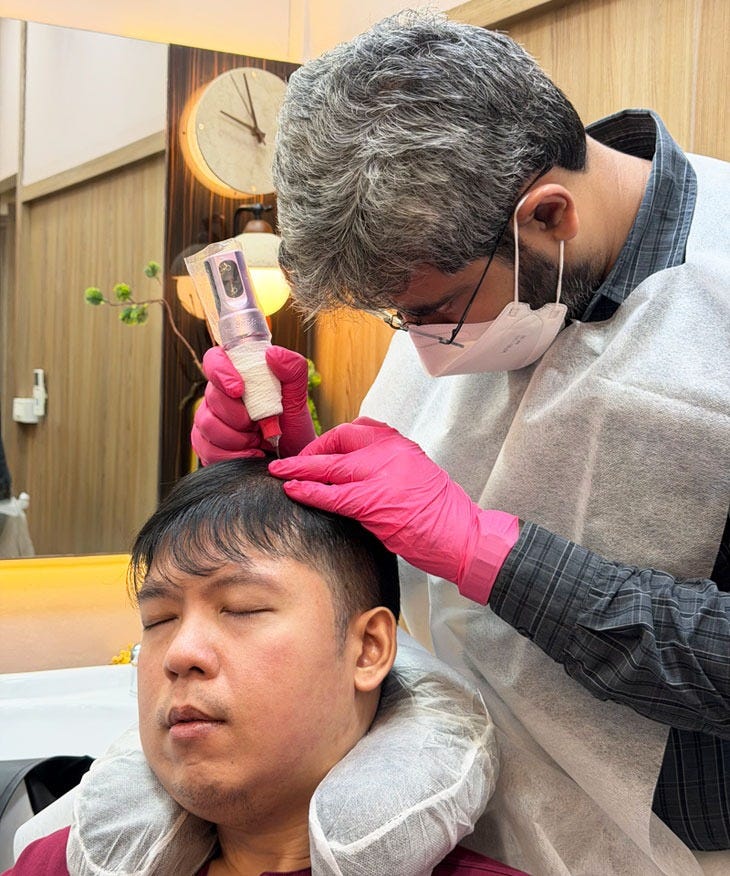
SMP involves the precise placement of tiny pigment deposits into the upper layers of the scalp to replicate the appearance of natural hair follicles. The result is the illusion of greater hair density or a closely shaved scalp, creating a clean, uniform, and natural look.
Who Is an Ideal Candidate for Scalp Micropigmentation?
Scalp micropigmentation can benefit a wide range of individuals, including:
- Men and women with androgenetic (pattern) hair loss
- Patients with scarring alopecia or visible scalp scars from surgery or trauma
- Individuals with inadequate donor hair for transplantation
- Patients who want to enhance the appearance of density after a hair transplant
- Those seeking a non-surgical Hair Loss Treatment Delhi option
SMP does not stimulate new hair growth. Instead, it effectively camouflages scalp visibility, making thinning areas less noticeable.
Scalp Micropigmentation vs Hair Transplant:
Unlike hair transplant surgery, SMP is a non-invasive procedure that does not involve grafts, incisions, or recovery downtime. Hair transplants aim to permanently restore hair but may not be feasible in scarred or poorly vascularized scalp areas. SMP, on the other hand, works exceptionally well in covering scars and creating uniform scalp aesthetics.
SMP is semi-permanent, typically lasting several years with occasional touch-ups, and is generally more cost-effective, especially for extensive bald areas.
How the Scalp Micropigmentation Procedure Is Performed:
The SMP process is performed in multiple carefully planned sessions:
- Consultation and Design: Scalp evaluation, hairline planning, and density goals are discussed.
- Preparation: The scalp is cleaned, and a topical anesthetic is applied for comfort.
- Pigment Selection: Medical-grade pigments are matched to the patient’s natural hair color and skin tone.
- Application: Sterile microneedles deposit micro-dots of pigment into the upper dermis.
- Sessions: Each session lasts 2–4 hours, with 2–3 sessions spaced about a week apart.
Mild redness or sensitivity may occur and usually resolves within a few days.
Safety and Side Effects:
When performed by a trained Dermatologist in Delhi, scalp micropigmentation is considered safe. Temporary redness, mild swelling, or discomfort are the most common effects. Rare complications such as pigment irritation or allergic reactions are minimized with proper assessment, sterile technique, and high-quality inks.
Pre- and Post-Procedure Care:
Before SMP:
- Avoid blood-thinning medications if medically permitted
- Do not apply hair dyes or chemical products
- Inform your dermatologist about scalp conditions or allergies
After SMP:
- Keep the scalp dry for 24 hours
- Avoid sun exposure, swimming, and sweating for 2–4 weeks
- Do not scratch or disturb treated areas
- Follow aftercare instructions carefully for optimal results
Final Thoughts:
Scalp micropigmentation is a modern, reliable option for individuals seeking visible improvement in hair density without surgery. As a cosmetic camouflage technique, it plays an important role in comprehensive Hair Loss Treatment Delhi, especially for patients who are not ideal candidates for hair transplantation.
Consulting an experienced Dermatologist in Delhi ensures safe treatment planning, natural aesthetics, and long-lasting satisfaction.