


Hair loss, medically known as alopecia, is a widespread condition affecting people of all ages and genders. While some degree of hair shedding is normal, excessive or progressive hair loss can significantly impact self-confidence and emotional well-being. Understanding the underlying cause is the first and most important step toward effective management and long-term improvement.
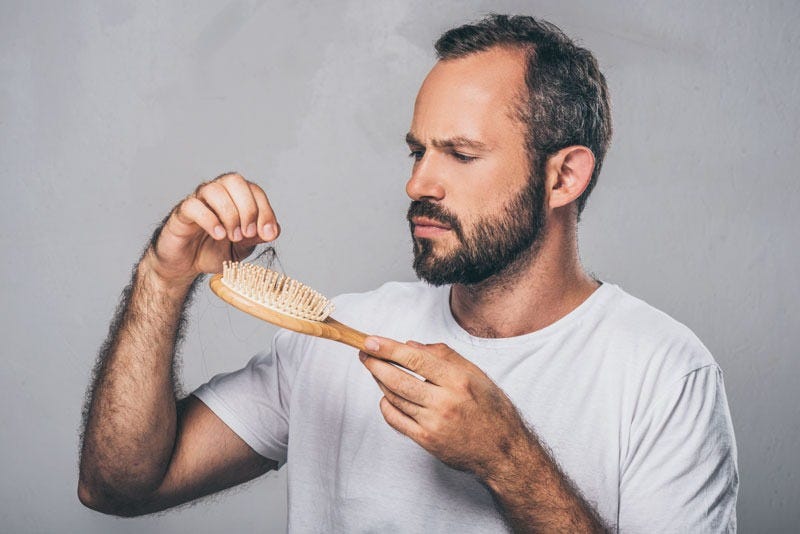
Understanding Hair Loss:
Hair loss can present in several patterns and forms. The most common type is androgenetic alopecia, also referred to as male or female pattern hair loss. This condition is largely genetic and causes gradual thinning of hair in predictable areas of the scalp.
Other types of hair loss include alopecia areata, an autoimmune disorder that leads to sudden patchy hair loss, and telogen effluvium, a temporary condition often triggered by physical stress, illness, hormonal changes, or childbirth. Traction alopecia develops due to prolonged tension on the hair from tight hairstyles or excessive styling practices.
Common Causes of Hair Loss:
Hair loss may occur due to one or multiple contributing factors, such as:
- Genetics: A major cause of patterned hair loss in both men and women
- Hormonal changes: Thyroid disorders, pregnancy, menopause, and other hormonal imbalances
- Medical conditions: Autoimmune diseases, scalp infections, and chronic illnesses
- Medications: Certain drugs used for cancer, heart disease, arthritis, and depression
- Nutritional deficiencies: Low levels of iron, protein, and essential vitamins
- Stress and lifestyle factors: Physical or emotional stress can disrupt the hair growth cycle
Identifying the exact cause helps determine the most effective Hair Loss Treatment Delhi option for each individual.
Hair Loss Treatment Options:
Topical Treatments:
Topical medications are applied directly to the scalp to stimulate hair growth and reduce further hair thinning. Minoxidil is a widely used, clinically proven treatment that improves blood flow to hair follicles and prolongs the growth phase of hair. Consistent application is essential to maintain results.
Oral Medications:
Finasteride is a prescription medication commonly recommended for men with androgenetic alopecia. It works by reducing the hormone responsible for follicle shrinkage, helping preserve existing hair and promote regrowth when taken regularly under medical supervision.
Advanced Procedures:
- Hair Transplant Surgery: A permanent solution where healthy follicles are transferred from donor areas to thinning or bald regions
- Low-Level Laser Therapy (LLLT): Uses specific wavelengths of light to stimulate inactive hair follicles
- Intralesional Injections: Corticosteroid injections such as triamcinolone acetonide are effective for conditions like alopecia areata
Lifestyle and Supportive Care:
Maintaining a nutrient-rich diet, managing stress through exercise or relaxation techniques, and practicing gentle hair care habits can significantly support medical treatments and improve outcomes.
Consult a Dermatologist in Delhi:
An early consultation with a qualified dermatologist is crucial for accurate diagnosis and personalized treatment planning. Scalp examination, medical history review, and blood tests help identify the cause and guide the most suitable Hair Loss Treatment Delhi for long-term hair health.
#Platelet Rich Plasma Treatment Delhi #Microneedling Treatment in Delhi