
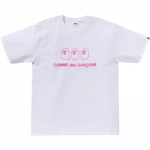
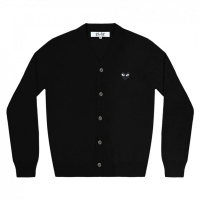
Building a cult following in fashion typically requires a specific playbook. Scarcity, anticipation, a community organized around access to limited products. CDG PLAY has a cult following that's as dedicated as any in streetwear and it was built without any of that infrastructure. No Thursday drops. No raffles. No countdown timers. The black hoodie was available yesterday, it's available today, and it'll be available next month at the same price through the same retailers. That's an unusual situation for a brand with CDG PLAY's level of devotion attached to it, and understanding how the cult formed without the usual mechanisms tells you something important about what actually creates lasting brand loyalty.
What a cult following actually is
A cult following in fashion isn't just a lot of buyers. It's buyers who advocate for the brand without being paid to, who introduce it to other buyers through genuine enthusiasm, who develop a relationship with the commedesgarrcons.com brand's identity rather than just its products. Supreme has a cult following. So does the Palace. Both built theirs through drop culture, through the community that forms around access to scarce products. CDG PLAY's cult following has none of that scaffolding and yet the advocacy is real, the introductions are real, and the relationship people develop with the heart logo is genuine in a way that manufactured community often isn't.
The advocacy comes from the product earning it
Every new CDG PLAY buyer was introduced to the brand by someone who already owned a piece and found it worth recommending. That chain of personal recommendation, running without any influencer program or seeding campaign behind it, is how the cult built itself. Someone wore a PLAY hoodie. Someone else asked about it. The answer led to a purchase. The purchase led to another recommendation. Multiply that across two decades of satisfied buyers and you get a cult following built entirely from the bottom up rather than from the top down.
The heart logo as a recognition system
The cult functions partly as a recognition system built around the heart logo. People who wear CDG PLAY recognize it on other people and experience a specific kind of acknowledgment that doesn't happen with more ubiquitous branding. When the logo is large and on everything it loses this function because everyone knows it and the recognition becomes trivial. The CDG heart is specific enough that recognition still means something, which keeps the cult feeling like a community rather than just a large number of buyers.
It grew slowly and that's why it held
Cults built fast tend to collapse fast. The same mechanisms that accelerate growth, hype, scarcity, manufactured urgency, also accelerate decline when the cultural conditions shift. CDG PLAY's growth was slow, consistent, and compounding rather than fast and spike-driven. Each year's buyers added to a base rather than replacing a previous cohort. The community that formed around the brand accumulated rather than churned. That slow accumulation produced a cult that wasn't dependent on any specific cultural moment staying alive.
The pieces themselves sustain the following
A cult that loses interest in the actual product collapses into nostalgia. CDG PLAY's following stays active because the pieces keep earning their place. The black hoodie that someone bought five years ago is still in their rotation. The tee they bought three years ago still gets worn. Those pieces staying useful keeps the buyer engaged with the brand rather than treating their CDG phase as something that passed. An active collection is an active relationship, and active relationships produce the kind of ongoing advocacy that keeps a cult following growing rather than just maintaining.
No gatekeeper for entry
One of the things that distinguishes CDG PLAY's cult from drop-culture cults is the absence of a gatekeeper. You don't need to win a raffle to join. You don't need to know the right people or be in the right place at the right time. The pieces are available at authorized retailers without any access mechanism. That openness means the cult keeps absorbing new members without friction, and new members bring the same genuine enthusiasm as existing ones because they arrived through the same path, finding the product and finding it worth the price.
What the cult looks like in 2026
The CDG PLAY following in 2026 spans buyers who've been in the brand for fifteen years and buyers who bought their first piece last month. Both groups are equally valid members of the cult because there's no hierarchy based on access or tenure. The fifteen-year buyer has more knowledge and more pieces but the first-month buyer has the same level of access to everything the brand currently offers. That flat structure keeps the community welcoming rather than gatekeeping, which is part of why new buyers keep finding it and staying.
FAQs
How did CDG PLAY build a cult following without hype drops?
Through personal recommendation chains running across two decades of satisfied buyers, a recognition system built around a specific logo that still means something when two people who wear it encounter each other, and pieces that stay useful long enough to keep buyers actively engaged rather than moving on.
Is CDG PLAY's cult following as dedicated as drop-culture cults?
Yes, and in some ways more durable. Drop-culture cults are organized around access to scarce products, which means their cohesion depends on the brand maintaining those conditions. CDG PLAY's cult is organized around the product itself, which means the cohesion exists as long as the product keeps delivering.
Does the CDG PLAY cult have any official infrastructure?
No. No official community platform, no loyalty program, no creator fund. The community formed organically through shared taste and personal recommendation rather than through any brand-built infrastructure.
Why does the CDG heart logo function as a recognition system between wearers?
Because it's specific enough that recognition still means something. When branding is ubiquitous, recognition becomes trivial. The CDG heart is visible to people who know it and reads as considered to people who don't, which keeps the recognition between wearers carrying meaning rather than being background noise.
Could CDG PLAY's cult approach be replicated by a newer brand?
The model is replicable but not quickly. The approach requires making something genuinely worth recommending, staying consistent for long enough that the recommendation chains compound, and resisting the temptation to accelerate growth through mechanisms that would compromise what makes the product recommendable in the first place. Most brands choose the faster path.
Does CDG PLAY's cult following keep growing or has it reached saturation?
It keeps growing because the entry mechanism is frictionless, the product keeps earning new buyers through personal recommendation, and there's no generational turnover of the kind that affects moment-driven brands. New buyers find it the same way buyers found it ten years ago and respond to it the same way.