
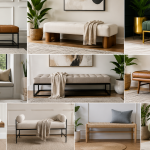






A bench seat is one of the most practical and versatile furniture pieces that can instantly improve both the functionality and appearance of a space. Whether it is placed in an entryway, dining room, garden, patio, bedroom, or office, the right bench seat provides comfortable seating while enhancing the overall design. With so many materials, styles, and sizes available today, choosing the ideal option can feel overwhelming. Understanding the different features and intended uses will help you make a confident decision that matches your needs and complements your interior or exterior décor.
Furniture experts generally recommend selecting seating that balances durability, comfort, and aesthetics. By considering factors such as available space, construction quality, maintenance requirements, and intended use, a bench can continue serving your family for many years.
Why Has the Bench Seat Become So Popular?
A bench seat has evolved far beyond its traditional purpose. Today, it serves as both functional seating and an attractive design feature.
Many homeowners appreciate bench seating because it:
- Maximizes seating capacity
- Saves valuable floor space
- Creates a welcoming atmosphere
- Fits both modern and traditional interiors
- Offers flexible placement options
- Can include hidden storage
- Works equally well indoors and outdoors
Unlike individual chairs, a bench provides continuous seating, making it ideal for entertaining guests or accommodating larger families.
Different Types of Bench Seats
Choosing the right bench begins with understanding the various styles available.
Indoor Bench Seats
Indoor models are designed for comfort while complementing interior décor.
Common applications include:
- Entryways
- Dining rooms
- Bedrooms
- Living rooms
- Hallways
- Reading corners
Many upholstered designs provide extra comfort while adding warmth to the room.
Outdoor Bench Seats
Outdoor furniture must withstand changing weather conditions.
Popular materials include:
- Treated timber
- Aluminum
- Steel
- Concrete
- Polywood
- Synthetic wicker
Weather-resistant finishes are often applied to protect outdoor furniture from moisture, UV rays, and temperature changes.
Storage Bench Seats
Storage benches combine seating with organization.
These are ideal for storing:
- Shoes
- Blankets
- Children's toys
- Gardening supplies
- Seasonal decorations
- Sports equipment
Hidden storage helps maintain a cleaner and more organized living space.
Dining Bench Seats
Dining benches have become increasingly popular in modern homes.
Benefits include:
- More seating around the dining table
- Flexible arrangement
- Contemporary appearance
- Easier accommodation of children
- Efficient use of dining space
Dining benches can easily slide underneath the table when not being used.
Garden Bench Seats
Garden benches provide a relaxing place to enjoy outdoor surroundings.
They are commonly placed:
- Under trees
- Along pathways
- Near flower beds
- On patios
- Around fire pits
Proper maintenance should be performed regularly to preserve outdoor furniture.
Popular Materials Used in Bench Seats
The material significantly affects durability, appearance, and maintenance.
Wooden Bench Seats
Wood remains one of the most timeless choices.
Popular wood types include:
- Oak
- Teak
- Cedar
- Pine
- Walnut
- Acacia
Wood creates a warm, natural appearance that suits nearly every decorating style.
However, periodic sealing or staining may be required to maintain its beauty.
Metal Bench Seats
Metal benches provide exceptional strength.
Advantages include:
- Long lifespan
- Modern appearance
- Minimal maintenance
- Excellent structural support
- Weather resistance
Powder-coated finishes are often applied to prevent corrosion.
Upholstered Bench Seats
Fabric-covered benches offer additional comfort.
Common upholstery materials include:
- Linen
- Velvet
- Leather
- Faux leather
- Polyester blends
Regular cleaning helps preserve their appearance for years.
Plastic and Polywood Bench Seats
These materials have become increasingly popular for outdoor use.
Benefits include:
- Resistant to moisture
- Easy cleaning
- Fade resistance
- Lightweight construction
- Long service life
Very little maintenance is generally required.
How to Choose the Right Bench Seat
Several practical considerations should influence your purchase.
Measure Your Available Space
Always measure before purchasing.
Consider:
- Width
- Height
- Depth
- Walking clearance
- Door swing
- Nearby furniture
Proper measurements help avoid costly mistakes.
Consider the Primary Purpose
Ask yourself how the bench will be used.
Possible purposes include:
- Daily seating
- Dining
- Decoration
- Storage
- Outdoor relaxation
- Waiting area
Your intended use should determine the design you choose.
Prioritize Comfort
Comfort should never be overlooked.
Look for:
- Supportive seat height
- Comfortable depth
- Cushioned seating
- Ergonomic design
- Stable construction
Long periods of sitting should remain comfortable.
Match Your Interior Style
A well-selected bench enhances existing décor.
Popular design styles include:
- Modern
- Scandinavian
- Industrial
- Farmhouse
- Rustic
- Traditional
- Contemporary
Consistency creates a more polished appearance.
Evaluate Durability
Quality construction often saves money over time.
Check:
- Joinery quality
- Weight capacity
- Material thickness
- Protective finishes
- Manufacturer reputation
High-quality furniture is generally expected to last significantly longer.
Benefits of Adding a Bench Seat to Your Home
There are numerous reasons why homeowners continue choosing benches.
Space Efficiency
Unlike several individual chairs, one bench accommodates multiple people while occupying less floor space.
This is particularly beneficial for apartments and compact homes.
Improved Organization
Storage benches help reduce visible clutter.
Items can easily be stored out of sight while remaining easily accessible.
Greater Seating Flexibility
Extra seating can quickly be provided when guests arrive.
A bench can also be relocated with minimal effort.
Enhanced Visual Appeal
A thoughtfully selected bench becomes a decorative focal point.
Different textures, finishes, and materials contribute to overall design harmony.
Increased Property Appeal
Well-designed furniture may improve the perceived value of a home.
Potential buyers often appreciate attractive, functional living spaces.
Common Mistakes to Avoid
Many buyers overlook important details before making a purchase.
Avoid these common mistakes:
- Ignoring available space measurements
- Choosing appearance over comfort
- Buying unsuitable materials for outdoor use
- Forgetting weight capacity
- Overlooking maintenance requirements
- Selecting the wrong seat height
- Purchasing poor-quality construction
Careful planning can prevent unnecessary disappointment.
Bench Seat Maintenance Tips
Proper care extends furniture lifespan.
Wooden Benches
- Dust regularly
- Apply wood protectant when needed
- Avoid prolonged moisture exposure
- Clean spills immediately
Metal Benches
- Wipe clean with a damp cloth
- Inspect for scratches
- Touch up damaged coatings
- Keep surfaces dry
Upholstered Benches
- Vacuum regularly
- Spot-clean stains promptly
- Rotate cushions if removable
- Follow manufacturer cleaning instructions
Outdoor Benches
- Cover during severe weather
- Clean seasonally
- Tighten hardware annually
- Inspect for wear and damage
Routine maintenance should be performed throughout the year to preserve both appearance and structural integrity.
Current Design Trends for Bench Seats
Furniture trends continue evolving with changing lifestyles.
Some popular choices include:
- Minimalist wooden benches
- Curved contemporary designs
- Hidden storage benches
- Mixed wood-and-metal frames
- Sustainable materials
- Neutral upholstery
- Multifunctional furniture
- Outdoor lounge-style benches
Many homeowners are choosing timeless designs that remain stylish for years rather than following short-term trends.
Why Quality Matters When Buying a Bench Seat
A quality bench seat is an investment rather than a simple furniture purchase.
Better craftsmanship often delivers:
- Longer lifespan
- Improved comfort
- Stronger construction
- Better safety
- Higher resale value
- Greater everyday satisfaction
Although premium models may cost more initially, replacement costs are often reduced over time because higher-quality furniture tends to last significantly longer.
Final Thoughts
Choosing the right bench seat involves more than selecting a style that looks attractive. The ideal bench should suit your available space, provide lasting comfort, and be built from materials that match its intended environment. By carefully evaluating size, durability, maintenance needs, and overall design, you can invest in furniture that serves both practical and decorative purposes for years to come. Following these expert recommendations and prioritizing quality craftsmanship will help ensure your bench seat becomes a valuable addition to your home or outdoor living area while aligning with long-term functionality and timeless style.